
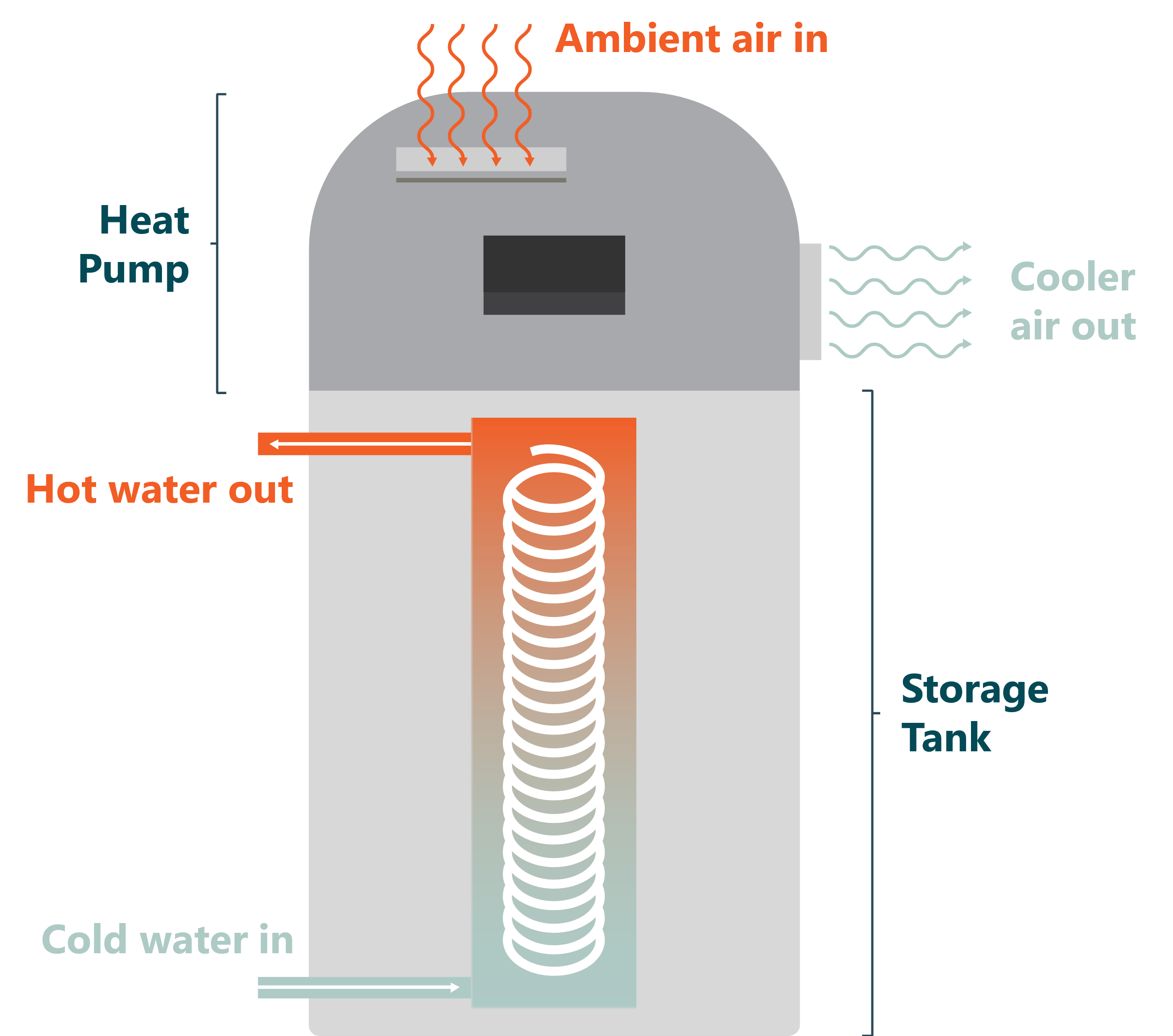
Are you tired of watching your energy bills creep higher each month? Your water heater, often tucked away and forgotten, could be a major culprit. Switching to a heat pump water heater is a smart start, but like any appliance, it needs regular TLC to keep running efficiently and saving you money.
This guide is your comprehensive resource for inspecting and maintaining your heat pump water heater. We'll walk you through the steps to ensure peak performance, extend its lifespan, and maximize your home energy savings. After all, a well-maintained heat pump water heater is a key component of a truly sustainable home energy system.
Here’s how to keep your heat pump water heater in top shape.
Regular Inspection: Your First Line of Defense
Consistent inspection is the foundation of any good maintenance plan. By regularly checking your heat pump water heater, you can identify potential problems early on, preventing costly repairs and ensuring optimal energy efficiency. Aim to inspect your unit at least every three months, or more frequently if you notice any unusual noises or performance issues.
Here’s what to look for during your inspections: Visual Check for Leaks: Carefully examine the area around the water heater for any signs of water leakage. Check all connections, including the inlet and outlet pipes, pressure relief valve, and drain valve. Even a small drip can indicate a bigger problem brewing. Inspect the Condenser Coils: The condenser coils are crucial for heat transfer. They should be free from dust, dirt, and debris. A buildup on the coils reduces efficiency and forces the unit to work harder. We'll cover cleaning these coils in more detail later. Listen for Unusual Noises: Pay attention to any unusual noises coming from the unit, such as banging, hissing, or grinding. These sounds could indicate a malfunctioning component, like a failing fan motor or a buildup of sediment. Check the Air Filter: Just like a furnace or air conditioner, heat pump water heaters have air filters that need regular cleaning or replacement. A dirty air filter restricts airflow, reducing efficiency and potentially damaging the unit. Examine the Ductwork (if applicable):Some heat pump water heaters use ductwork to draw air from and exhaust air to the surrounding space. Inspect the ductwork for any leaks, kinks, or obstructions.
Why Regular Inspection Matters
Think of your heat pump water heater like your car. You wouldn't wait until it breaks down completely to take it in for maintenance, would you? Regular inspection allows you to catch minor issues before they escalate into major problems, saving you time, money, and headaches in the long run. It also helps maintain the unit’s energy efficiency, keeping your water heating costs low and contributing to your home energy savings.
Essential Maintenance Tasks for Peak Performance
Beyond regular inspection, certain maintenance tasks should be performed periodically to ensure your heat pump water heater is operating at peak performance. These tasks are generally straightforward and can be easily handled by most homeowners with basic DIY skills.
Cleaning the Condenser Coils: This is arguably the most important maintenance task for heat pump water heaters. Dirty condenser coils reduce efficiency and can lead to premature failure.
Step 1: Disconnect the Power. Before you begin, always disconnect the power to the unit at the breaker box. Safety first!
Step 2: Access the Coils. The location of the condenser coils varies depending on the model. Consult your owner's manual for specific instructions on how to access them.
Step 3: Clean the Coils. Use a soft brush or vacuum with a brush attachment to gently remove dust and debris from the coils. For stubborn dirt, you can use a fin comb designed for cleaning condenser coils. Be careful not to damage the delicate fins.
Step 4: Reassemble and Restore Power. Once the coils are clean, reassemble the unit and restore power.
Cleaning or Replacing the Air Filter: As mentioned earlier, a clean air filter is essential for proper airflow.
Step 1: Locate the Air Filter. The air filter is typically located near the top or bottom of the unit. Consult your owner's manual for the exact location.
Step 2: Remove the Filter. Carefully remove the air filter.
Step 3: Clean or Replace the Filter. If the filter is washable, clean it with mild soap and water. Allow it to dry completely before reinstalling. If the filter is disposable, replace it with a new one of the same size and type.
Step 4: Reinstall the Filter. Reinstall the air filter in its proper location.
Draining Sediment from the Tank: Over time, sediment can accumulate at the bottom of the tank, reducing efficiency and potentially damaging the heating elements. Draining the tank periodically helps remove this sediment.
Step 1: Turn off the Power and Water. Disconnect the power to the unit at the breaker box and turn off the cold water supply to the tank.
Step 2: Attach a Hose. Connect a garden hose to the drain valve located near the bottom of the tank.
Step 3: Open the Drain Valve. Run the hose to a safe drainage location, such as a floor drain or outside. Open the drain valve and allow the tank to drain completely. Be prepared for a lot of water!
Step 4: Flush the Tank. Once the tank is empty, briefly open the cold water supply to flush out any remaining sediment.
Step 5: Close the Drain Valve and Refill the Tank. Close the drain valve and slowly refill the tank with cold water.
Step 6: Restore Power. Once the tank is full, restore power to the unit.
Testing the Pressure Relief Valve: The pressure relief valve is a safety device that prevents excessive pressure buildup in the tank. It should be tested periodically to ensure it's functioning properly.
Step 1: Locate the Pressure Relief Valve. The pressure relief valve is typically located near the top of the tank.
Step 2: Test the Valve. Carefully lift the lever on the pressure relief valve and allow a small amount of water to escape.
Step 3: Observe the Valve. When you release the lever, the valve should snap closed and stop the flow of water. If the valve continues to leak, it may need to be replaced.
Addressing Professional Repairs
While many maintenance tasks can be handled by homeowners, some repairs require the expertise of a qualified technician. If you encounter any of the following issues, it's best to call a professional: Persistent Leaks: If you're unable to stop a leak by tightening connections or replacing seals, it's time to call a plumber. Electrical Problems: Any electrical issues, such as a tripped breaker or a burning smell, should be addressed by a qualified electrician. Unusual Noises: Persistent or loud noises that you can't identify or resolve could indicate a more serious problem requiring professional attention. Decreased Heating Performance: If your water isn't getting as hot as it used to, or if it takes a long time to heat up, a technician can diagnose and repair the issue.
Optimizing Performance for Maximum Savings
Beyond inspection and maintenance, there are several things you can do to optimize the performance of your heat pump water heater and maximize your home energy savings.
Adjust the Temperature Setting: Most manufacturers recommend setting the water heater temperature to 120°F. This temperature is hot enough for most household needs and helps prevent scalding. Lowering the temperature setting can also save energy. Insulate the Hot Water Pipes: Insulating the hot water pipes reduces heat loss as the water travels from the tank to your fixtures. This can be especially beneficial for pipes that run through unheated areas, such as basements or crawl spaces. Use Water Conservation Measures: Simple water conservation measures, such as taking shorter showers, fixing leaky faucets, and using low-flow showerheads, can reduce your overall water heating needs and save energy. Consider installing aerators on faucets, too. Schedule Annual Professional Check-ups: Even with regular maintenance, it's a good idea to schedule an annual check-up with a qualified technician. They can perform a more thorough inspection, identify potential problems, and ensure your unit is operating at peak efficiency. They can also check the refrigerant levels, which is a task best left to professionals. Consider a "Heat Pump Blanket":Adding insulation around the tank itself, known as a heat pump blanket, can further reduce heat loss. While heat pump water heaters are already well-insulated, an extra layer can make a difference, especially in colder climates.
The Benefits of Proactive Maintenance
By taking a proactive approach to inspecting and maintaining your heat pump water heater, you're not only extending its lifespan and maximizing its energy efficiency but also contributing to a more sustainable future. You're reducing your carbon footprint, saving money on your energy bills, and enjoying the peace of mind that comes with knowing your home energy system is running smoothly. Think of it as an investment in your home, your wallet, and the planet.
People Also Ask (FAQs)
How often should I drain the sediment from my heat pump water heater?
It's generally recommended to drain the sediment from your heat pump water heater at least once a year, or more frequently if you have hard water. Hard water contains high levels of minerals that can accelerate sediment buildup. *Can I install a heat pump water heater myself?
While some homeowners may be comfortable installing a heat pump water heater themselves, it's generally recommended to have it installed by a qualified professional. This ensures the unit is properly installed, connected to the electrical and plumbing systems, and meets all local codes and regulations. Proper installation is crucial for optimal performance and safety. How long do heat pump water heaters typically last?
With proper maintenance, heat pump water heaters can last for 10-15 years, or even longer. Regular inspection, cleaning, and maintenance can significantly extend the lifespan of your unit. What are the signs that my heat pump water heater is failing?
Signs that your heat pump water heater may be failing include:Leaks, Decreased heating performance (water not getting as hot or taking longer to heat up), Unusual noises (banging, hissing, or grinding), Rusty or discolored water, Increased energy bills. If you notice any of these signs, it's best to have the unit inspected by a qualified technician. *Are there any tax credits or rebates available for heat pump water heaters?
Yes, there are often federal, state, and local tax credits and rebates available for heat pump water heaters. Check with your local utility company and the Database of State Incentives for Renewables & Efficiency (DSIRE) for information on available incentives in your area. These incentives can significantly reduce the upfront cost of purchasing and installing a heat pump water heater.
Taking care of your heat pump water heater doesn't have to be a chore. With a little knowledge and effort, you can keep it running smoothly, efficiently, and saving you money for years to come. Embrace the process, enjoy the benefits of sustainable home energy, and rest assured that you're making a positive impact on the planet.