
Are you tired of watching your energy bills skyrocket, especially when it comes to heating water? You're not alone. Many homeowners are searching for ways to reduce their carbon footprint and save money without sacrificing comfort.
A heat pump water heater can be a game-changer for energy efficiency in your home. Unlike traditional water heaters that generate heat, heat pump water heaters move heat from one place to another – think of it like a refrigerator working in reverse. This process is incredibly efficient, often resulting in significant energy savings compared to conventional electric or gas water heaters. Optimizing your heat pump water heater ensures it operates at its peak performance, maximizing your investment and minimizing your environmental impact.
One simple yet effective tip is to regularly check and clean the air filter. A dirty filter restricts airflow, forcing the unit to work harder and reducing its efficiency. Cleaning or replacing the filter every 1-3 months can make a noticeable difference in your energy consumption and the lifespan of your heat pump water heater.
7 Steps to Optimize Your Heat Pump Water Heater
Heat pump water heaters are a fantastic investment in sustainable home energy, offering significant savings and reduced environmental impact. However, like any appliance, they require some attention to ensure optimal performance. These seven steps will help you get the most out of your heat pump water heater, maximizing its efficiency and extending its lifespan.
1. Understand Your Heat Pump Water Heater's Operating Modes
Heat pump water heaters typically offer multiple operating modes to suit different needs and situations. Understanding these modes and choosing the right one can dramatically impact your energy consumption. Common modes include: Heat Pump Only Mode:This is the most energy-efficient mode, relying solely on the heat pump to heat water. It's ideal for most of the year when demand is moderate.
Hybrid Mode: This mode uses the heat pump as the primary heating source but switches to electric resistance heating during periods of high demand or when the heat pump can't keep up (e.g., during extremely cold weather).
Electric Resistance Only Mode: This mode disables the heat pump and relies solely on electric resistance heating. It's the least efficient mode and should only be used as a backup or in emergencies.
Vacation Mode: This mode lowers the water temperature to a minimum setting to conserve energy when you're away from home for an extended period.
Actionable Tip: Experiment with different modes to see which one best suits your household's water usage patterns. For example, try using Heat Pump Only mode during the warmer months and Hybrid mode during colder months. Monitor your energy bills to track the impact of each mode.
2. Optimize the Location of Your Unit
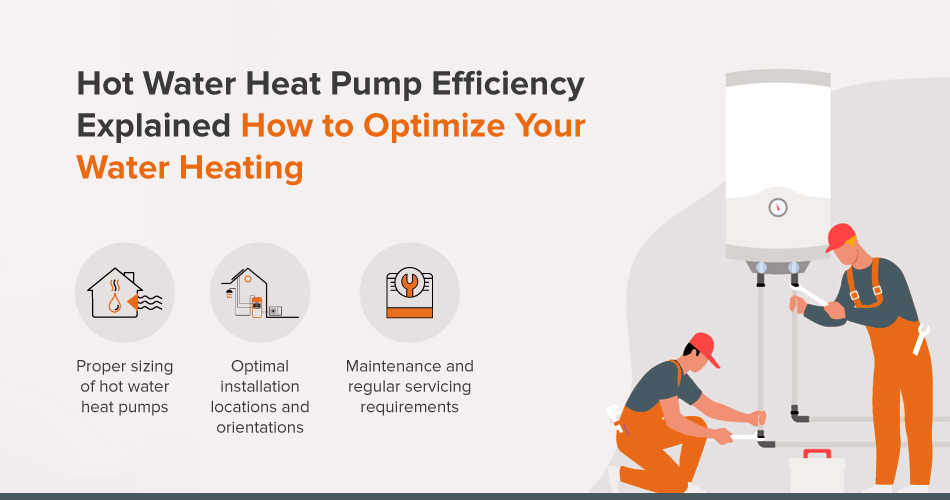
The location of your heat pump water heater can significantly impact its efficiency. Heat pump water heaters extract heat from the surrounding air, so they perform best in spaces with a consistent temperature.
Ideal Locations: Unheated garages, basements, or utility rooms are often good choices. These spaces tend to have stable temperatures and sufficient airflow.
Avoid: Small, enclosed spaces with poor ventilation. These spaces can become too cold, forcing the heat pump to work harder. Also, avoid placing the unit near sources of heat or cold drafts, as this can interfere with its ability to extract heat efficiently.
Consider: If you live in a very cold climate, consider insulating the room where the heat pump water heater is located to help maintain a more stable temperature.
Real-World Example: A homeowner in Minnesota moved their heat pump water heater from a small, unventilated closet to an unheated garage. This simple change resulted in a 15% reduction in their water heating energy consumption.
3. Regularly Clean the Air Filter
As mentioned earlier, a clean air filter is crucial for optimal performance. The air filter prevents dust and debris from entering the unit, which can clog the coils and reduce its efficiency.
Frequency: Check the air filter every 1-3 months, depending on the air quality in your home. Clean or replace the filter as needed.
Cleaning Instructions: Most air filters can be cleaned with a vacuum cleaner or by rinsing them with water. Allow the filter to dry completely before reinstalling it.
Replacement: If the filter is damaged or heavily soiled, replace it with a new one. Use the manufacturer's recommended filter type.
4. Adjust the Water Temperature
Setting the water temperature too high can waste energy and increase the risk of scalding. The U.S. Department of Energy recommends setting the water temperature to 120°F (49°C).
Lowering the Temperature: Reducing the temperature from 140°F to 120°F can save you 4-22% in water heating costs.
Safety: 120°F is hot enough for most household needs while minimizing the risk of scalding, especially for young children and elderly individuals.
Testing: Use a thermometer to verify the water temperature at your faucets. Adjust the setting on your heat pump water heater accordingly.
5. Insulate Your Hot Water Pipes
Insulating your hot water pipes can reduce heat loss as water travels from the water heater to your faucets. This is particularly important for pipes that run through unheated areas like basements or crawl spaces.
Benefits: Insulating pipes can save energy, reduce water waste (by getting hot water to your faucets faster), and prevent pipes from freezing in cold weather.
Materials: Use foam pipe insulation sleeves, which are readily available at hardware stores.
Installation: Simply wrap the insulation around the pipes and secure it with tape. Make sure to cover all exposed sections of the pipes.
6. Fix Leaks Promptly
Even small leaks can waste a significant amount of water and energy over time. Regularly check your faucets, showerheads, and pipes for leaks.
Common Leak Sources: Faucet drips, showerhead leaks, and leaks around pipe connections.
Repair: Repair leaks promptly to prevent water waste and potential damage to your home. Simple repairs like replacing a worn washer or tightening a pipe connection can often fix the problem.
Professional Help: If you're not comfortable making repairs yourself, contact a qualified plumber.
7. Schedule Regular Maintenance
Like any appliance, your heat pump water heater benefits from regular maintenance. Annual maintenance can help identify and address potential problems before they become major issues.
Professional Inspection: Schedule an annual inspection by a qualified HVAC technician. They can check the unit's components, clean the coils, and ensure that it's operating efficiently.
DIY Maintenance: In addition to professional inspections, you can perform some basic maintenance tasks yourself, such as: Flushing the Tank: Flush the tank annually to remove sediment buildup, which can reduce efficiency and shorten the lifespan of the unit. Follow the manufacturer's instructions for flushing the tank.
Checking the Anode Rod: The anode rod protects the tank from corrosion. Have it inspected every few years and replaced as needed.
People Also Ask:
How long does a heat pump water heater last?
Heat pump water heaters typically last 10-15 years, which is comparable to traditional water heaters. Proper maintenance, including regular cleaning and flushing, can help extend their lifespan.
Are heat pump water heaters noisy?
Heat pump water heaters do produce some noise, similar to a refrigerator. However, the noise level is generally not disruptive, especially if the unit is located in a basement or utility room.
How much money can I save with a heat pump water heater?
The amount of money you can save depends on your water usage, energy rates, and the efficiency of your heat pump water heater. However, most homeowners can expect to save 50-70% on their water heating costs compared to traditional electric water heaters.
Can I install a heat pump water heater myself?
While it's possible to install a heat pump water heater yourself, it's generally recommended to have it installed by a qualified plumber or HVAC technician. This ensures that the unit is installed correctly and that you comply with local building codes.
What government rebates or incentives are available for heat pump water heaters?
Many states and utility companies offer rebates and incentives for installing energy-efficient appliances like heat pump water heaters. Check with your local utility company and the DSIRE (Database of State Incentives for Renewables & Efficiency) website to see what's available in your area.
Optimizing your heat pump water heater doesn't have to be a daunting task. By following these simple steps, you can significantly improve its efficiency, save money on your energy bills, and contribute to a more sustainable future. Take action today to make your home more energy-efficient and environmentally friendly. You've got this!