
Are you tired of watching your hard-earned money disappear down the drain, quite literally, every time you take a hot shower? The truth is, traditional water heaters are notorious energy hogs, guzzling electricity or natural gas and contributing significantly to your monthly utility bills. But what if there was a way to enjoy endless hot water without the energy guilt?
This guide dives deep into the world of heat pump water heaters, a game-changing technology that’s revolutionizing home energy savings. We'll provide you with a step-by-step roadmap to understanding, selecting, and installing these highly efficient systems. Whether you're a seasoned DIY enthusiast or prefer to leave it to the professionals, this guide will equip you with the knowledge you need to make an informed decision and potentially slash your water heating costs.
One simple way to gauge if a heat pump water heater is right for you? Consider your climate. Heat pump water heaters work best in warmer climates where they can easily extract heat from the surrounding air. If you live in a consistently cold region, consider models designed for colder climates or explore hybrid solutions. Now, let's get started!
Understanding Heat Pump Water Heaters
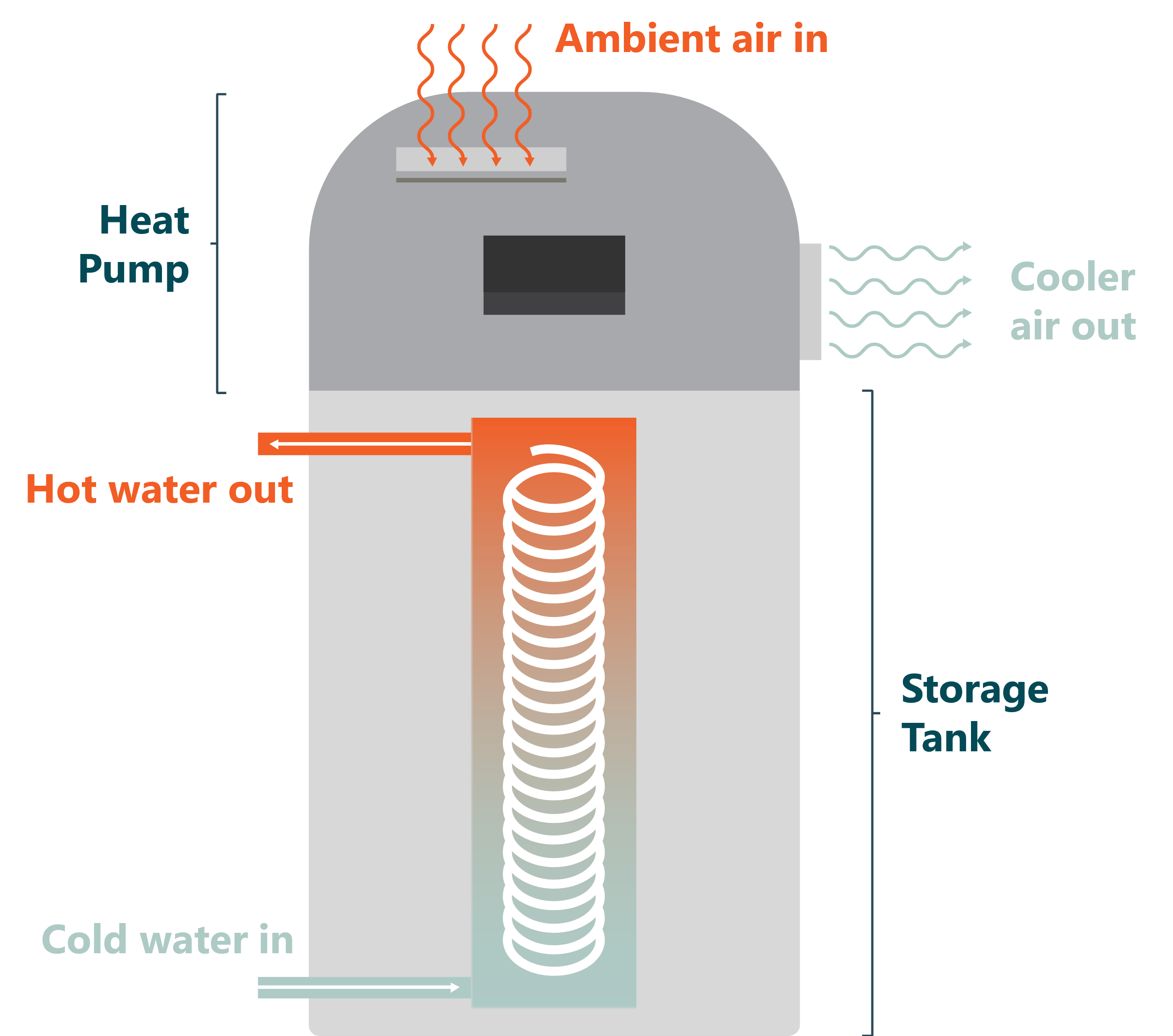
Heat pump water heaters (HPWHs) aren't your grandpa's clunky, inefficient water heater. They operate on a completely different principle. Instead of directly generating heat like traditional electric or gas water heaters, theymoveheat from one place to another – much like a refrigerator in reverse. They extract heat from the surrounding air and transfer it to the water tank. This process is incredibly efficient, using significantly less energy than traditional methods.
The key benefit? Substantial energy savings. HPWHs can use up to 60% less energy than standard electric resistance water heaters, translating to significant savings on your utility bills over the lifespan of the unit. Think of all the things you could do with that extra money! Beyond the financial aspect, choosing a HPWH is a powerful step towards a more sustainable home, reducing your carbon footprint and contributing to a greener planet.
Benefits Beyond Energy Efficiency
It's not just about the money. Heat pump water heaters offer several other advantages that make them an attractive option for homeowners: Extended Lifespan: With proper maintenance, HPWHs can last longer than traditional water heaters, providing years of reliable service. Reduced Greenhouse Gas Emissions: By using less energy, you're directly contributing to a reduction in greenhouse gas emissions, helping combat climate change. Quieter Operation:Compared to some older water heater models, HPWHs operate relatively quietly.
Step-by-Step Installation Guide
Installing a heat pump water heater can be a rewarding DIY project for experienced homeowners with plumbing and electrical knowledge. However, for safety and optimal performance, it's often recommended to hire a qualified professional. Regardless of your chosen path, understanding the installation process is crucial.
Important Safety Note: Always disconnect the power to your existing water heater before beginning any work. If you are unsure about any step, consult with a licensed plumber or electrician.
Here's a simplified breakdown of the installation process:Step 1: Planning and Preparation Assess Your Needs: Determine the appropriate tank size based on your household's hot water usage. Consider factors like the number of occupants and typical hot water demands. Choose the Right Location: HPWHs require adequate space for airflow. Ensure the installation area has sufficient clearance and ventilation. A warmer ambient temperature is crucial for the heat pump’s efficiency. Gather Necessary Tools and Materials: You'll need tools like pipe wrenches, a pipe cutter, a soldering torch (if working with copper pipes), a multimeter, and safety equipment like gloves and eye protection. Ensure you have all the necessary fittings, pipes, and electrical connectors. Obtain Permits: Check with your local building department to determine if any permits are required for water heater installation.
Step 2: Removing the Old Water Heater Turn Off the Water Supply: Locate the main water shut-off valve and turn off the water supply to your home. Drain the Old Tank: Connect a garden hose to the drain valve at the bottom of the old water heater and run the hose to a drain or outside. Open the drain valve and allow the tank to empty completely. This can take some time, so be patient. Disconnect Electrical or Gas Connections: If you have an electric water heater, disconnect the electrical wiring. If you have a gas water heater, turn off the gas supply at the shut-off valve and disconnect the gas line.Important: If you are working with gas, exercise extreme caution and follow all safety guidelines. Disconnect Water Lines: Carefully disconnect the hot and cold water lines from the old water heater. Be prepared for some residual water to spill out. Remove the Old Water Heater:With all connections disconnected, carefully remove the old water heater from its location. This may require assistance due to the weight of the tank.
Step 3: Installing the New Heat Pump Water Heater Position the New Water Heater: Carefully place the new HPWH in its designated location. Ensure it is level and stable. Connect Water Lines: Connect the hot and cold water lines to the corresponding connections on the HPWH. Use Teflon tape or pipe sealant on the threads to prevent leaks. If you're using copper pipes, you may need to solder new connections. Connect Electrical Wiring: Connect the electrical wiring to the HPWH according to the manufacturer's instructions and local electrical codes. Ensure all connections are secure and properly grounded. Install a Condensate Drain: HPWHs produce condensate, which needs to be drained away. Connect a condensate drain line to the designated outlet and run it to a suitable drain. Turn on the Water Supply: Slowly turn on the main water supply to your home and check for any leaks at the connections. Tighten any connections as needed. Turn on the Power: Once you're confident that there are no leaks, turn on the power to the HPWH. Follow Startup Procedures: Follow the manufacturer's instructions for starting up the HPWH. This may involve setting the desired water temperature and running a self-test.
Step 4: Testing and Monitoring Check for Leaks Again: Monitor the connections for any leaks over the next few hours. Monitor Water Temperature: Ensure the water heats up to the desired temperature. Observe Performance: Pay attention to the HPWH's operation over the first few days. Note any unusual noises or performance issues.
Sizing Your Heat Pump Water Heater
Choosing the right size HPWH is crucial for optimal performance and energy savings. A unit that's too small won't provide enough hot water, while one that's too large will waste energy. A general guideline is to use the following as a starting point: 1-2 people: 40-50 gallon tank 3-4 people: 50-65 gallon tank 5+ people:80+ gallon tank
However, it's best to consult with a professional to determine the most appropriate size for your specific needs.
Maintaining Your Heat Pump Water Heater
Proper maintenance is essential for extending the lifespan and maintaining the efficiency of your HPWH. Here are some key maintenance tasks: Annual Inspection: Schedule an annual inspection by a qualified technician. This includes checking the electrical connections, inspecting the refrigerant levels, and cleaning the coils. Clean the Air Filter: The air filter on the HPWH needs to be cleaned regularly to ensure proper airflow. Check the filter monthly and clean it as needed. A dirty filter can reduce the unit's efficiency and potentially damage the compressor. Flush the Tank: Periodically flush the tank to remove sediment buildup. This helps improve the unit's efficiency and prevents corrosion. The frequency of flushing depends on the water quality in your area. Monitor for Leaks: Regularly check for any leaks around the water heater and connections. Address any leaks promptly to prevent water damage.
People Also Ask (FAQs)
How long do heat pump water heaters last?
With proper maintenance, a heat pump water heater can last 10-15 years, potentially longer than traditional water heaters. Factors such as water quality, usage patterns, and maintenance practices can affect its lifespan.
Are heat pump water heaters noisy?
HPWHs do produce some noise due to the compressor and fan. However, most models operate at a relatively quiet level, typically between 40-50 decibels, which is comparable to a quiet conversation.
What happens if the power goes out?
Like traditional electric water heaters, HPWHs will not be able to heat water during a power outage. However, the insulated tank will retain hot water for a period of time, depending on the tank size and insulation level.
Navigating Rebates and Incentives
One of the most compelling reasons to switch to a heat pump water heater is the availability of rebates and incentives. Federal, state, and local governments, as well as utility companies, often offer significant financial incentives to encourage homeowners to adopt energy-efficient technologies.
Be sure to research the rebates available in your area. The Database of State Incentives for Renewables & Efficiency (DSIRE) is a great resource for finding information on rebates and incentives. Claiming these rebates can significantly offset the initial cost of the HPWH, making it an even more attractive investment.
Making the switch to a heat pump water heater is a smart investment in your home and the environment. While the installation process may seem daunting, with the right knowledge and preparation, it's a manageable project. Remember to prioritize safety, follow manufacturer's instructions, and consider consulting with a professional if you're unsure about any step. Embrace the energy savings and enjoy the comfort of knowing you're contributing to a more sustainable future. You've got this!