
Tired of watching your energy bills climb, especially when it comes to something as basic as hot water? You're not alone. For many urban dwellers, the dream of a sustainable home feels out of reach, particularly when considering space constraints and city regulations. But what if I told you that solar water heating is a viable, and often surprisingly effective, solution even in the heart of a bustling city?
This article dives deep into how solar water heaters function in urban areas, addressing common concerns about space, sunlight, and practicality. We'll explore the technology, discuss its benefits for urban homeowners seeking home energy savings, and guide you through the steps to determine if solar water heating is right for your situation. Ready to explore a greener, more cost-effective way to heat your water?
Solar Water Heating in the City: A Feasible Reality
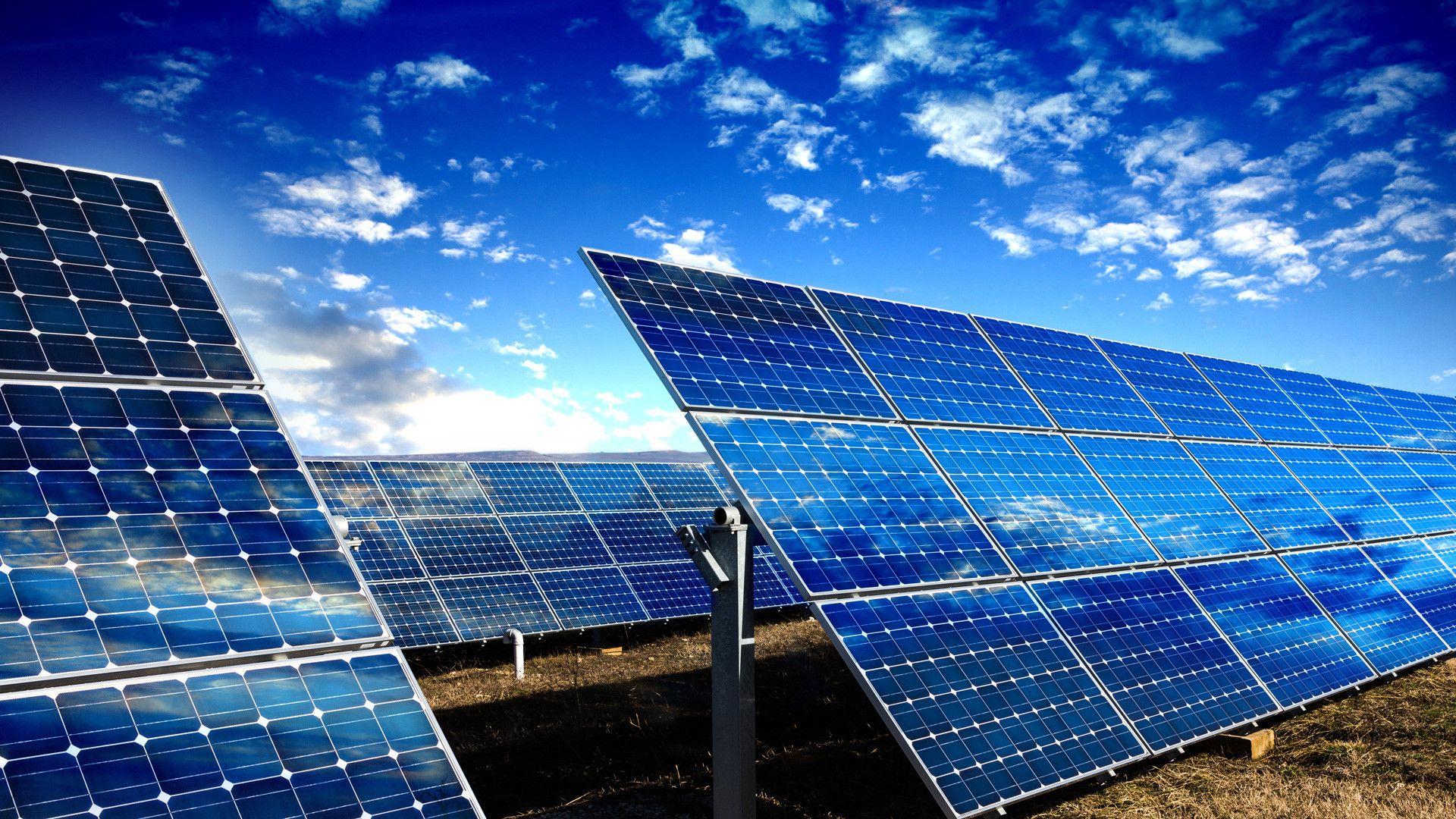
Solar water heaters, also known as solar thermal systems, use the sun's energy to heat water directly. Unlike photovoltaic (PV) panels that generate electricity, solar water heaters harness the sun's thermal energy. This makes them a remarkably efficient way to reduce your reliance on traditional energy sources for water heating, contributing to substantial home energy savings. In an urban setting, where roof space might be limited, strategic placement and system design become crucial.
There are generally two main types of solar water heating systems: Active Systems: These systems use pumps and controls to circulate water or a heat-transfer fluid between the solar collectors and a storage tank. They're generally more efficient than passive systems, especially in colder climates or when hot water demand is high. Passive Systems: These systems rely on natural convection to circulate water. They are typically less expensive and require less maintenance, but they may not be as efficient in all climates or for high-demand households.
The core components of a solar water heater, regardless of type, typically include: Solar Collectors: These are usually flat-plate collectors or evacuated tube collectors, mounted on a roof or other sun-exposed area. They absorb sunlight and transfer the heat to the water or heat-transfer fluid. Storage Tank: This insulated tank stores the heated water until it's needed. Many systems use a standard hot water tank as a backup, ensuring a consistent supply even on cloudy days. Circulation System: In active systems, a pump circulates the water or heat-transfer fluid. In passive systems, gravity and convection handle the circulation. Control System: Active systems often have a control system that monitors temperatures and activates the pump when the sun's energy can effectively heat the water.
One of the biggest misconceptions is that solar water heating only works in sunny climates. While ample sunshine certainly helps, modern systems are designed to function effectively even in areas with less consistent sunlight. The key lies in proper system sizing, insulation, and potentially incorporating a backup system like a heat pump water heater or a conventional gas or electric heater.
Actionable Tip: Before investing in a solar water heater, conduct a solar site assessment. Many installers offer this service, which analyzes the amount of sunlight your roof receives throughout the year, taking into account factors like shading from buildings or trees. This assessment is crucial for determining the optimal system size and placement for maximum energy efficiency.
Urban Challenges, Innovative Solutions
Urban environments present unique challenges for solar water heating. Limited roof space, shading from surrounding buildings, and aesthetic concerns can all impact the feasibility and effectiveness of these systems. However, innovative solutions and strategic planning can overcome these hurdles.
Space Optimization: Compact solar collectors and integrated storage tanks can minimize the footprint of the system, making it suitable for smaller urban rooftops. Shading Mitigation: Careful placement of collectors, combined with advanced tracking systems, can maximize sunlight exposure even in shaded areas. Tree trimming or rooftop reflector additions can also help. Aesthetic Integration: Modern solar collectors are designed to be aesthetically pleasing and can often be integrated seamlessly into the roofline, minimizing any visual impact. Some even resemble skylights. HOA and City Regulations: Be sure to check with your homeowner's association (HOA) and local city regulations before installing a solar water heater. Many cities offer incentives or streamlined permitting processes to encourage the adoption of renewable energy.
Furthermore, advancements in technology are making solar water heaters even more efficient and adaptable to urban environments. For example, evacuated tube collectors are known for their superior performance in colder climates and diffuse sunlight conditions, making them ideal for areas with less consistent sunshine. Split systems, where the storage tank is located indoors and the collectors are on the roof, offer greater flexibility in installation and can improve energy efficiency by minimizing heat loss.
Case Study: In a densely populated neighborhood in Brooklyn, NY, a homeowner installed a compact solar water heating system on their row house roof. By strategically placing the collectors to avoid shading from neighboring buildings and utilizing evacuated tube collectors for optimal performance in the region's variable climate, they were able to reduce their water heating bills by over 60% and significantly lower their carbon footprint. This demonstrates that solar water heating can be a practical and impactful solution even in challenging urban environments.
Will a Solar Water Heater Work on My Roof?
The suitability of your roof depends on several factors: orientation, pitch, shading, and structural integrity. South-facing roofs generally receive the most sunlight, but east- or west-facing roofs can also be viable options. A professional installer can assess these factors and determine the optimal placement for the collectors.
What Happens on Cloudy Days?
Solar water heating systems are often paired with a backup system, such as a heat pump water heater or a traditional gas or electric water heater, to ensure a consistent supply of hot water on cloudy days. The backup system automatically kicks in when the solar collectors can't provide enough heat. Some systems also utilize heavily insulated storage tanks to retain heat for extended periods.
Maximizing Efficiency and Longevity
To ensure your solar water heater operates efficiently and lasts for years to come, proper water heating maintenance is essential.
Regular Inspections: Inspect the collectors, storage tank, and plumbing connections regularly for leaks or damage. Flushing the System: Periodically flush the system to remove sediment and scale buildup, which can reduce efficiency. Checking the Anti-Freeze: If your system uses a heat-transfer fluid, check the antifreeze level and concentration regularly. Professional Servicing: Schedule a professional servicing appointment every few years to ensure the system is operating at peak performance. A qualified technician can inspect the pump, controls, and other components and identify any potential problems before they become major issues.
Furthermore, taking steps to conserve hot water can also maximize the benefits of your solar water heater. This includes installing low-flow showerheads and faucets, fixing leaks promptly, and washing clothes in cold water whenever possible.
Actionable Tip: Consider installing a smart water monitoring system. These systems can track your water usage in real-time, identify leaks, and provide insights into how you can conserve water and energy. Some systems even integrate with your solar water heater to optimize its performance based on your hot water demand.
How Often Should I Service My Solar Water Heater?
Annual inspections are recommended, with a more comprehensive service every 3-5 years. Your installer can provide specific maintenance recommendations based on your system type and local water conditions.
What are the Signs of a Failing Solar Water Heater?
Decreased hot water availability, leaks, unusual noises from the pump, and increased energy bills can all be signs of a problem. Contact a qualified technician for diagnosis and repair.
Embrace Sustainable Water Heating
Implementing a solar water heater in an urban setting may seem daunting at first, but with careful planning, the right technology, and proper maintenance, it's an achievable goal that offers significant benefits. By reducing your reliance on fossil fuels, you can lower your energy bills, shrink your carbon footprint, and contribute to a more sustainable future. It's an investment in your home, your wallet, and the planet, proving that even in the heart of the city, you can embrace a greener way of life.
Learn how solar water heaters can work in urban areas. Discover tips for overcoming space constraints and maximizing efficiency for sustainable home energy.
FAQ
How much can I save with a solar water heater in the city?
Savings vary based on sunlight, system size, and water usage, but many urban homeowners see reductions of 50-80% in their water heating bills.
Are there government incentives for solar water heaters?
Yes, many federal, state, and local governments offer tax credits, rebates, and other incentives for installing solar water heaters. Check with your local energy office for details.
How long do solar water heaters last?
With proper maintenance, a solar water heater can last 15-20 years or more.