
Is your solar water heater not quite living up to its promise of lower energy bills and eco-friendly hot water? Don't worry; most issues are easily resolved with a little troubleshooting. A solar water heater is a fantastic investment, but like any home appliance, it can occasionally experience hiccups.
This article delves into common solar water heater problems, offering practical advice and solutions to help you get your system back on track and maximize your home energy savings. We'll explore everything from simple fixes to when it's time to call in a professional. Understanding the basics of your system and knowing how to identify potential issues is the first step toward maintaining its efficiency and longevity.
A simple first step? Check your system's indicator lights. Many systems have diagnostic lights that can point you in the right direction. Refer to your owner's manual for a key to the light patterns.
No Hot Water or Insufficient Hot Water
One of the most frustrating issues is a lack of hot water, or hot water that simply isn't hot enough. Several factors can contribute to this problem, and pinpointing the cause is essential for a quick resolution.
Cloudy Weather: The most obvious reason for insufficient hot water is prolonged cloudy weather. Solar water heaters rely on sunlight, so cloudy days naturally reduce their performance. However, a well-designed system should have a backup element to compensate.
System Size: If your household's hot water demand consistently outstrips your system's capacity, especially during peak usage times, you may simply need a larger system. A professional energy audit can help determine the appropriate size for your needs.
Panel Shading: Obstructions like trees or new buildings can cast shadows on your solar collectors, significantly reducing their efficiency. Even partial shading can impact performance. Regularly inspect your panels and trim back any encroaching vegetation.
Circulation Problems: The pump that circulates water through your collectors might be malfunctioning, preventing the water from heating properly. Listen for the pump operating. If it's silent, check its power supply and connections.
Faulty Check Valves: Check valves prevent backflow in the system. If one fails, cold water can mix with hot water in the storage tank, reducing the overall temperature.
Sediment Buildup: Over time, sediment can accumulate in the storage tank, reducing its capacity and insulating the water from the heating element (if you have one). Flushing the tank periodically can help prevent this.
To address insufficient hot water, consider these steps:
1.Check the Backup Element: Ensure your backup heating element is working correctly. Test its functionality according to the manufacturer's instructions.
2.Monitor Weather Conditions: Track the weather and note if the problem correlates with cloudy periods.
3.Inspect for Shading: Visually inspect your solar collectors for any shading obstructions.
Leaks
Leaks are a common issue that can lead to water damage and reduced system efficiency. Identifying the source of the leak is crucial for effective repair.
Loose Fittings: Over time, fittings and connections can loosen due to temperature fluctuations and vibrations. Carefully inspect all connections for signs of leaks, such as water stains or drips. Tighten any loose fittings, but avoid over-tightening, which can damage the components.
Corroded Components: Corrosion can weaken pipes and connections, leading to leaks. Inspect for signs of corrosion, especially around joints and fittings. Replace corroded components promptly.
Damaged Panels: Solar collectors themselves can sometimes develop leaks due to weather damage or manufacturing defects. Look for cracks or damage to the panel surface.
Pressure Relief Valve Issues: The pressure relief valve is designed to release excess pressure in the system. If it's constantly dripping, it could indicate a problem with the valve itself or excessive pressure within the system.
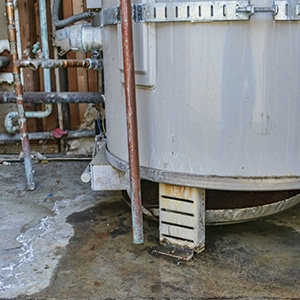
Tank Leaks: Check the storage tank for leaks, especially around the bottom seams and connections. Tank leaks often indicate internal corrosion and may require tank replacement.
Dealing with leaks requires a careful approach. Here's what to do:
1.Turn Off the System: If you detect a leak, immediately turn off the system's water supply to prevent further damage.
2.Locate the Source: Carefully trace the leak to its origin. Use a flashlight and inspect all connections and components closely.
3.Assess the Damage: Determine the extent of the damage and whether it can be repaired or requires replacement.
4.Call a Professional: For significant leaks or if you're unsure how to proceed, consult a qualified solar water heater technician.
Overheating
While lack of hot water is a common concern, overheating can also occur, especially during periods of low water usage and intense sunlight. Overheating can damage system components and potentially create a safety hazard.
Stagnation: If hot water isn't being used regularly, the water in the collectors can stagnate and overheat. This can lead to the formation of scale and corrosion within the system.
Faulty Temperature Sensors: Inaccurate temperature sensors can prevent the system from regulating its temperature properly, leading to overheating.
Closed Loop System Problems: In closed-loop systems (using antifreeze), overheating can be caused by low antifreeze levels or a malfunctioning expansion tank.
Pressure Relief Valve Issues: As mentioned earlier, a malfunctioning pressure relief valve can also contribute to overheating.
To prevent overheating, consider these tips:
1.Regular Water Usage: Ensure regular hot water usage to prevent stagnation. If you're going on vacation, consider covering the solar collectors to reduce heat absorption.
2.Inspect the Expansion Tank (Closed Loop Systems): Check the pressure in the expansion tank and ensure it's properly charged.
3.Monitor System Temperatures: If your system has temperature gauges, monitor them regularly to detect any signs of overheating.
4.Flush the System: Periodically flush the system to remove scale and sediment that can contribute to overheating.
Pump Problems
The circulation pump is a critical component of many solar water heating systems. It circulates water from the storage tank to the solar collectors and back. If the pump fails, the system will not heat water effectively.
Power Supply Issues: Ensure the pump is receiving power. Check the circuit breaker and wiring connections.
Pump Motor Failure: The pump motor can fail due to wear and tear or electrical issues. Listen for unusual noises or vibrations from the pump.
Clogged Pump: Debris or sediment can clog the pump, preventing it from operating properly.
Air Lock: Air trapped in the pump can also prevent it from circulating water.
Here's how to troubleshoot pump problems:
1.Check the Power Supply: Verify that the pump is receiving power by checking the circuit breaker and wiring connections.
2.Listen for Pump Operation: Listen closely to the pump to see if it's running. If it's silent or making unusual noises, it could indicate a problem.
3.Bleed the Pump: If you suspect an air lock, try bleeding the pump to remove trapped air. Consult your owner's manual for instructions.
4.Clean the Pump: If the pump is clogged, carefully disassemble it and clean out any debris or sediment.
Scale Buildup
Scale buildup, primarily calcium and magnesium deposits, can significantly reduce the efficiency of your solar water heater. It insulates pipes and collectors, hindering heat transfer.
Hard Water: The primary cause of scale buildup is hard water. If your water has a high mineral content, scale buildup is more likely.
High Temperatures: High temperatures within the system can accelerate the formation of scale.
Stagnation: As mentioned earlier, stagnation can also contribute to scale buildup.
To combat scale buildup:
1.Install a Water Softener: If you have hard water, consider installing a water softener to reduce the mineral content.
2.Flush the System Regularly: Flush the system periodically to remove accumulated scale and sediment.
3.Use a Scale Inhibitor: You can add a scale inhibitor to the system to prevent scale from forming. Consult with a professional to determine the appropriate product for your system.
4.Professional Cleaning: For severe scale buildup, consider having a professional clean the system.
People Also Ask (FAQs)
How often should I service my solar water heater?
It is generally recommended to have your solar water heater serviced by a qualified technician every 3-5 years. This includes inspecting the system for leaks, checking the pump and other components, and flushing the system to remove sediment and scale. Regular maintenance can significantly extend the life of your system and ensure optimal performance.
Can I install a solar water heater myself?
While some homeowners may be tempted to install a solar water heater themselves, it is generally recommended to have it installed by a qualified professional. Solar water heater installation involves working with plumbing, electrical, and roofing components, and requires specialized knowledge and tools. Improper installation can lead to leaks, reduced efficiency, and even safety hazards.
How do I know if my solar water heater is working correctly?
There are several indicators that your solar water heater is working correctly. You should have consistent hot water, and your energy bills should be lower than they were before you installed the system. You can also monitor the system's performance by checking temperature gauges (if your system has them) and listening for the pump operating. If you notice any unusual noises or a sudden drop in hot water, it could indicate a problem.
What is the lifespan of a solar water heater?
A well-maintained solar water heater can last for 15-20 years or even longer. The lifespan of the system depends on factors such as the quality of the components, the climate, and the frequency of maintenance. Regular servicing and prompt repairs can help extend the lifespan of your system.
Are solar water heaters worth the investment?
Solar water heaters can be a worthwhile investment for homeowners who are looking to reduce their energy bills and environmental impact. While the initial cost of a solar water heater can be higher than a traditional water heater, the long-term savings on energy bills can offset the initial investment. Additionally, many states and utility companies offer incentives and rebates for solar water heater installations. They also increase the value of a sustainable home.
Troubleshooting solar water heater problems might seem daunting, but with a systematic approach, many issues can be resolved quickly and efficiently. Remember to prioritize safety, consult your owner's manual, and don't hesitate to seek professional help when needed. By staying proactive and addressing problems promptly, you can ensure that your solar water heater continues to provide reliable and sustainable hot water for years to come.