
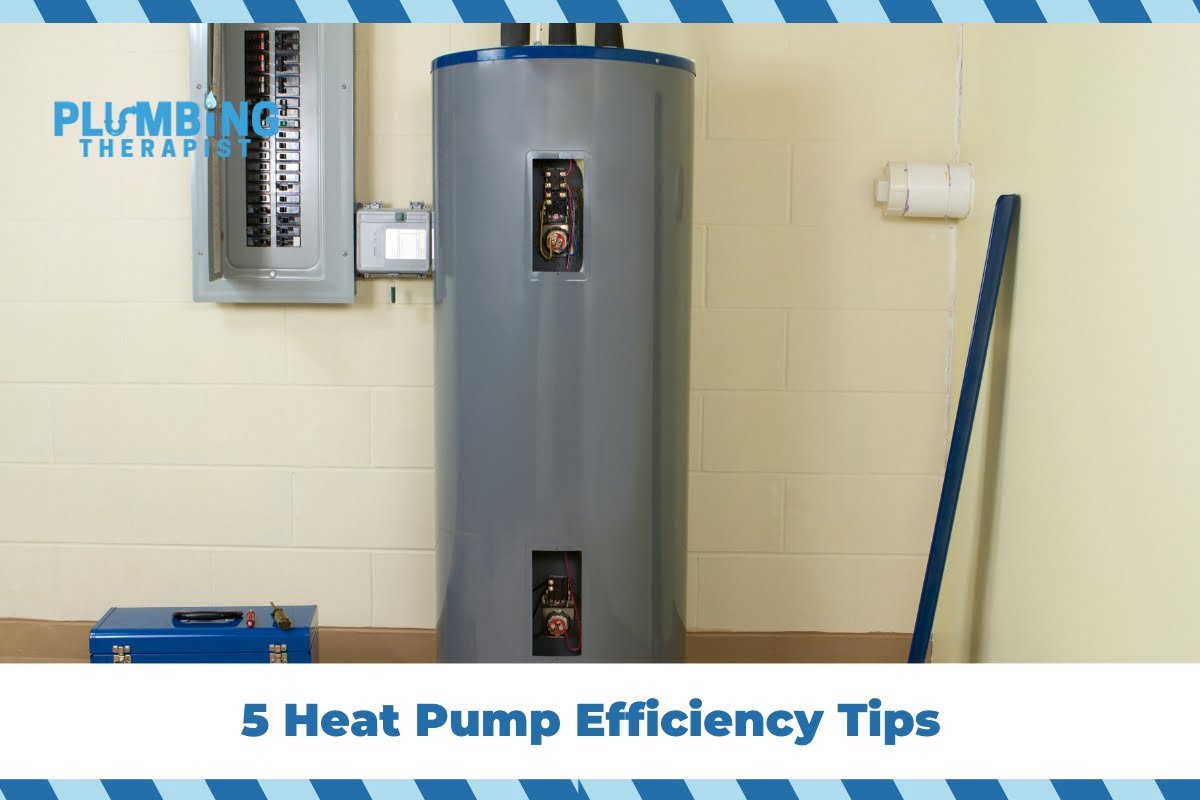
Is your water heater quietly guzzling energy, adding unnecessary costs to your utility bill? You're not alone. Many homeowners are seeking ways to reduce their energy consumption, and one of the most impactful changes you can make is upgrading to a more efficient water heating system.
This guide focuses on heat pump water heaters (HPWHs), an increasingly popular choice for their energy-saving potential. We'll delve into how they work, why they're so efficient, and, most importantly, how you can maximize their performance to save money and contribute to a more sustainable home. The goal is to empower you with practical knowledge to make informed decisions and optimize your heat pump water heater for long-term efficiency.
Understanding Heat Pump Water Heater Efficiency
Heat pump water heaters aren't your typical water heaters. Instead of directly generating heat like electric resistance or gas models, they move heat from one place to another – much like a refrigerator, but in reverse. They extract heat from the surrounding air and transfer it to the water in the tank. This process is significantly more efficient because it utilizes existing heat rather than creating it from scratch. The efficiency of a heat pump water heater is measured by its Uniform Energy Factor (UEF). The higher the UEF, the more efficient the unit. A conventional electric resistance water heater typically has a UEF of around 0.9, while a heat pump water heater can achieve a UEF of
2.0 or even higher. This translates to significant energy savings over the lifespan of the appliance.
The advantages of choosing a heat pump water heater extend beyond lower energy bills. They also contribute to a reduction in your carbon footprint. By using less electricity, you are indirectly reducing the demand for power generation, which often relies on fossil fuels. Moreover, many heat pump water heaters are eligible for rebates and incentives from local utilities and government programs, making them an even more attractive investment.
Choosing the Right Size Heat Pump Water Heater
Selecting the correct size is paramount to maximizing efficiency. An undersized unit will struggle to meet your hot water demands, leading to discomfort and potentially shortening its lifespan. Conversely, an oversized unit will cycle on and off more frequently, wasting energy. A general rule of thumb is to consider the number of occupants in your household and their hot water usage habits.
1-2 People: 40-50 gallon tank 3-4 People: 50-60 gallon tank 5+ People:80 gallon tank or larger
Consider peak usage times, such as morning showers or evening dishwashing. If your household has a high hot water demand, opt for a slightly larger tank. Consulting with a qualified HVAC professional or plumber can provide a more precise assessment of your needs.
Optimizing Your Heat Pump Water Heater for Maximum Efficiency
Once you've invested in a heat pump water heater, it's crucial to optimize its operation to reap the full benefits of its energy-saving potential. Several factors can influence its efficiency, including location, temperature settings, and maintenance practices.
One critical aspect is the unit's location. Heat pump water heaters draw heat from the surrounding air, so they perform best in warmer environments. Installing the unit in an unheated garage or basement can negatively impact its efficiency, especially during colder months. Ideally, the unit should be located in a space with a consistent temperature between 40°F and 90°F. A utility room or a well-insulated basement are often suitable locations. If the unit is installed in a cooler area, consider insulating the water heater tank and pipes to minimize heat loss.
Another important consideration is the temperature setting. Setting the water temperature too high wastes energy and can also pose a scalding risk. The recommended temperature setting for most households is 120°F. This temperature is hot enough for most uses, while also minimizing the risk of scalding and reducing energy consumption. You can easily adjust the temperature setting on most heat pump water heaters using the control panel. Experiment with slightly lower temperatures to find the optimal setting for your household's needs.
Water Heating Maintenance Tips
Regular maintenance is essential for ensuring the long-term efficiency and reliability of your heat pump water heater. Neglecting maintenance can lead to reduced performance, increased energy consumption, and even premature failure. Here are some key maintenance tasks: Flush the Tank Annually: Sediment buildup in the tank can reduce its efficiency and shorten its lifespan. Flushing the tank annually removes sediment and helps maintain optimal performance. Clean the Air Filter Regularly: The air filter prevents dust and debris from entering the heat pump. A clogged filter can reduce airflow and decrease efficiency. Check and clean the filter every 1-3 months, depending on the air quality in your home. Inspect the Anode Rod: The anode rod protects the tank from corrosion. It sacrifices itself to prevent the tank from rusting. Check the anode rod every few years and replace it when it is significantly corroded. Check for Leaks: Inspect the unit and its connections regularly for leaks. Even small leaks can waste water and energy. Consider Professional Servicing:Schedule a professional inspection and servicing every few years to ensure optimal performance and identify any potential problems early on.
By following these maintenance tips, you can extend the life of your heat pump water heater and maintain its energy efficiency for years to come.
Comparing Heat Pump Water Heaters to Other Options
When considering a new water heater, it's crucial to compare different technologies to determine the best fit for your needs and budget. The main alternatives to heat pump water heaters are traditional electric resistance water heaters, gas water heaters, and solar water heaters.
Electric resistance water heaters are the most common and least expensive option upfront. However, they are also the least energy-efficient. They directly heat water using electric coils, consuming a significant amount of energy. Gas water heaters are more efficient than electric resistance models but still rely on fossil fuels, contributing to greenhouse gas emissions. They also require a gas line connection, which may not be available in all homes.
Solar water heaters offer a renewable energy solution by using solar panels to heat water. They can be very efficient, especially in sunny climates, but they require a significant upfront investment and may not be suitable for all homes due to space limitations or shading issues.
Heat pump water heaters strike a balance between efficiency and cost. While they have a higher upfront cost than electric resistance models, they offer significant energy savings over their lifespan, often resulting in a lower total cost of ownership. They are also more environmentally friendly than gas water heaters, as they use electricity rather than fossil fuels. While solar water heaters are a great option, the initial cost and installation can be prohibitive for some homeowners.
Real-World Example: Energy Savings in Action
Consider a household that switches from a standard electric resistance water heater with a UEF of 0.9 to a heat pump water heater with a UEF of
2.5. Assuming the household uses 64 gallons of hot water per day and the cost of electricity is $0.15 per kilowatt-hour, the annual energy cost for the electric resistance water heater would be approximately $780. The heat pump water heater, on the other hand, would cost around $280 per year to operate, resulting in an annual savings of $500. Over a 10-year lifespan, the heat pump water heater could save the household $5,000 in energy costs. This example illustrates the significant financial benefits of upgrading to a heat pump water heater.
Troubleshooting Common Issues
Even with proper installation and maintenance, you might encounter occasional issues with your heat pump water heater. Here are some common problems and potential solutions: Insufficient Hot Water: This could be due to an undersized unit, a low temperature setting, or a malfunctioning heating element. Check the temperature setting and ensure it is set to at least 120°F. If the problem persists, contact a qualified technician to inspect the heating element. No Hot Water: This could be caused by a tripped circuit breaker, a faulty thermostat, or a burned-out heating element. Check the circuit breaker and reset it if necessary. If the problem persists, contact a qualified technician. Unusual Noises: Clicking, hissing, or popping noises can indicate sediment buildup in the tank. Flushing the tank can often resolve this issue. If the noises persist, contact a qualified technician to inspect the unit. Water Leaks: Leaks can occur around the connections or from the tank itself. Tighten any loose connections. If the leak is coming from the tank, it may indicate corrosion or damage, and the unit may need to be replaced. Reduced Efficiency:If you notice a sudden increase in your energy bill, it could indicate a problem with the heat pump. Check the air filter and clean it if necessary. Also, ensure that the unit is located in a warm environment and that there are no obstructions blocking airflow.
Frequently Asked Questions About Heat Pump Water Heaters
What is the lifespan of a heat pump water heater?
With proper maintenance, a heat pump water heater can last 10-15 years, similar to other types of water heaters.
Are heat pump water heaters noisy?
Heat pump water heaters do produce some noise, similar to a refrigerator. However, the noise level is generally not disruptive, especially if the unit is located in a utility room or basement. Newer models are designed for quieter operation.
Can I install a heat pump water heater myself?
While it is possible to install a heat pump water heater yourself, it is generally recommended to hire a qualified plumber or HVAC technician. Proper installation is crucial for ensuring optimal performance and safety.
Do heat pump water heaters require special electrical connections?
Most heat pump water heaters require a 240-volt electrical connection, similar to electric resistance water heaters. However, some smaller models may operate on a 120-volt connection. Check the manufacturer's specifications for the specific requirements of your unit.
Are heat pump water heaters worth the investment?
While the initial cost of a heat pump water heater is higher than that of a traditional electric resistance water heater, the energy savings over its lifespan can more than offset the difference. Heat pump water heaters are a worthwhile investment for homeowners looking to reduce their energy consumption and save money in the long run.
By understanding how heat pump water heaters work, optimizing their operation, and performing regular maintenance, you can unlock their full potential and enjoy significant energy savings. Taking these steps contributes to a more sustainable home and reduces your environmental impact. Don't hesitate to explore available rebates and incentives to further reduce the cost of your investment. You're now equipped to make informed choices and enjoy the benefits of efficient and eco-friendly water heating!