
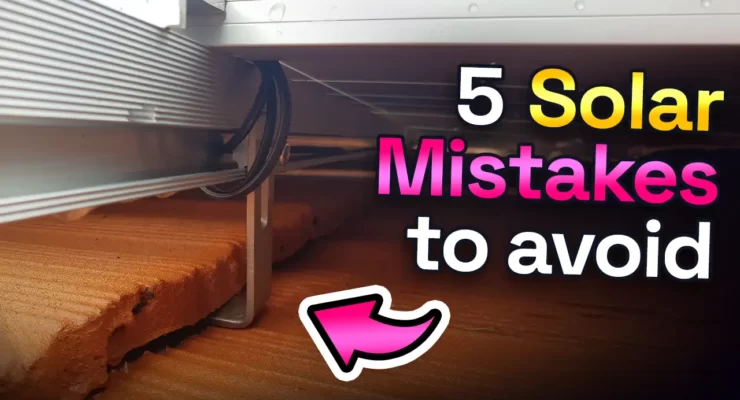
Are you dreaming of lower energy bills and a smaller carbon footprint? A solar water heater can be a fantastic investment, providing hot water with the power of the sun. However, like any system, proper installation and maintenance are key to maximizing its efficiency and lifespan.
Investing in a solar water heater is a significant step towards a sustainable home energy system. These systems harness the sun's energy to heat water, reducing your reliance on traditional energy sources and lowering your monthly bills. But, a poorly installed or maintained solar water heater can lead to frustration and diminished returns. Knowing the common pitfalls and how to avoid them can ensure you enjoy years of reliable, cost-effective hot water.
Choosing the right system size for your household is crucial for energy efficiency. Too small, and you'll still rely on conventional heating; too large, and you risk energy loss. A professional assessment will factor in your family size, hot water usage habits, and local climate conditions to recommend the ideal solar water heater capacity.
5 Common Mistakes in Solar Water Heating and How to Avoid Them
Many homeowners jump into solar water heating with high hopes, only to face unexpected challenges. This guide will walk you through five common mistakes people make with solar water heaters and provide actionable solutions to ensure your system operates efficiently and reliably. By understanding these potential pitfalls, you can confidently invest in solar water heating and reap the long-term benefits of sustainable home energy.
1. Incorrect System Sizing
One of the biggest mistakes homeowners make is choosing a solar water heater that's either too small or too large for their needs. An undersized system won't produce enough hot water, forcing you to rely on a backup energy source and negating some of the cost savings. An oversized system, on the other hand, can lead to energy loss and wasted investment.
Think of it like buying a car. A compact car is great for city driving and fuel efficiency, but it's not ideal for a large family or hauling cargo. Similarly, a small solar water heater might be sufficient for a single-person household, but it won't meet the demands of a family of four with teenagers who take long showers.
How to Avoid It:
The best way to ensure proper sizing is to consult with a qualified solar water heating installer. They will conduct a thorough assessment of your household's hot water consumption and factor in several key variables: Household Size: The number of people living in your home directly impacts hot water usage. Hot Water Usage Habits: Do you prefer long showers or quick baths? Do you run the dishwasher and washing machine frequently? Climate: The amount of sunshine your location receives throughout the year plays a crucial role in system performance. Areas with more sunlight require smaller collector areas. Roof Orientation and Angle: The direction your roof faces and its angle of inclination affect the amount of solar radiation the collectors can absorb. Local Regulations and Incentives:Understanding local building codes and available rebates can influence your system design and budget.
Example: A family of four in sunny Arizona with average water usage habits might need a system with a 80-gallon storage tank and two 4x8 solar collectors. Conversely, a single person in a cloudier climate like Seattle might only need a 40-gallon tank and a single collector.
2. Improper Installation
Even the best solar water heater will perform poorly if it's not installed correctly. Improper installation can lead to leaks, reduced efficiency, and even system damage. This is where skimping on professional help can really cost you in the long run.
Think of it like building a house. You can buy all the best materials, but if the foundation isn't solid, the entire structure is at risk. Similarly, proper installation is the foundation of a successful solar water heating system.
Common Installation Errors: Incorrect Collector Mounting: Collectors must be securely mounted to withstand wind and weather. Improper mounting can lead to leaks, damage, and even the collectors detaching from the roof. Inadequate Insulation: Insufficient insulation on pipes and storage tanks results in heat loss, reducing system efficiency. Improper Plumbing Connections: Leaky connections waste water and energy. Incorrect Wiring: Faulty wiring can damage electrical components and pose a safety hazard. Failure to Flush the System:Leaving debris in the system can clog pipes and reduce performance.
How to Avoid It:
Always hire a qualified and licensed solar water heating installer. Check their credentials, read online reviews, and ask for references. A reputable installer will:
Assess your roof's structural integrity.
Properly mount the collectors according to manufacturer specifications.
Insulate all pipes and tanks to minimize heat loss.
Ensure all plumbing and electrical connections are secure and leak-free.
Thoroughly flush the system to remove any debris.
Provide a detailed explanation of the system's operation and maintenance requirements.
3. Neglecting Maintenance
Like any mechanical system, a solar water heater requires regular maintenance to ensure optimal performance and longevity. Neglecting maintenance can lead to reduced efficiency, costly repairs, and a shortened lifespan.
Think of it like a car. You wouldn't expect your car to run smoothly for years without regular oil changes and tune-ups. Similarly, a solar water heater needs periodic attention to keep it running efficiently.
Key Maintenance Tasks: Collector Cleaning: Dust, leaves, and debris can accumulate on the collectors, reducing their ability to absorb sunlight. Regularly clean the collectors with a soft brush and water. The frequency of cleaning depends on your location and the amount of airborne pollutants. Anode Rod Inspection/Replacement: The anode rod in the storage tank protects the tank from corrosion. Inspect the anode rod annually and replace it every few years, depending on water quality. Pressure Relief Valve Testing: The pressure relief valve prevents excessive pressure buildup in the system. Test the valve annually to ensure it's functioning properly. Insulation Check: Inspect the insulation on pipes and tanks for damage or deterioration. Replace any damaged insulation to minimize heat loss. System Inspection:A qualified technician should perform a comprehensive system inspection every 3-5 years to identify any potential problems and ensure all components are functioning correctly.
How to Avoid It: Create a Maintenance Schedule: Develop a regular maintenance schedule and stick to it. Keep Records: Keep records of all maintenance performed, including dates, tasks, and any parts replaced. Consult with Your Installer: Ask your installer for recommended maintenance procedures and schedules. Consider a Maintenance Agreement: Some installers offer maintenance agreements that provide regular system inspections and maintenance services.
4. Ignoring Water Quality
Water quality can significantly impact the performance and lifespan of your solar water heater. Hard water, for example, can cause scale buildup in the collectors and storage tank, reducing efficiency and potentially damaging the system.
Think of it like a clogged artery. Just as plaque buildup can restrict blood flow, scale buildup can restrict water flow in your solar water heater, reducing its ability to heat water efficiently.
How to Avoid It: Water Testing: Have your water tested to determine its hardness and p H level. Water Softener: If your water is hard, consider installing a water softener to remove minerals that cause scale buildup. Scale Inhibitors: Some solar water heaters come with built-in scale inhibitors, or you can add them to the system. Regular Flushing: Periodically flush the system to remove sediment and scale buildup.
5. Not Understanding System Limitations
Solar water heaters are a great way to reduce your energy consumption and lower your bills, but it's important to understand their limitations. They rely on sunlight, so their performance will vary depending on the weather and time of year.
Think of it like a sailboat. A sailboat is a fantastic way to travel, but it's dependent on the wind. Similarly, a solar water heater is dependent on the sun.
How to Avoid It: Hybrid Systems: Consider a hybrid system that combines solar water heating with a traditional gas or electric water heater. This ensures you have a reliable source of hot water even on cloudy days. Realistic Expectations: Understand that solar water heating systems will not always provide 100% of your hot water needs. Monitor Performance: Monitor your system's performance and adjust your hot water usage accordingly. Energy-Efficient Practices: Implement other energy-efficient practices, such as taking shorter showers and fixing leaky faucets, to reduce your overall hot water consumption.
With the right knowledge and preparation, you can avoid these common mistakes and enjoy the many benefits of solar water heating. From lower energy bills to a reduced carbon footprint, solar water heaters offer a sustainable and cost-effective way to heat your water. With a properly sized, installed, and maintained system, you can confidently embrace the power of the sun and enjoy years of reliable hot water.
Frequently Asked Questions
How long does a solar water heater last?
A well-maintained solar water heater can last 15-20 years or even longer. The lifespan depends on factors such as water quality, climate, and maintenance practices.
How much money can I save with a solar water heater?
The amount of money you can save depends on your hot water consumption, local climate, and the cost of electricity or gas in your area. However, most homeowners can expect to save 50-80% on their water heating bills.
Is solar water heating worth the investment?
For most homeowners, solar water heating is a worthwhile investment. It offers long-term cost savings, reduces your carbon footprint, and increases your home's value. Government incentives and rebates can also help offset the initial cost of the system.
What is the difference between a solar water heater and a heat pump water heater?
A solar water heater uses solar collectors to directly heat water, while a heat pump water heater extracts heat from the surrounding air to heat water. Heat pump water heaters are more energy-efficient than traditional electric water heaters but not as environmentally friendly as solar. They can be a good option in climates where solar isn't ideal, or as a backup for your solar system.
Can I install a solar water heater myself?
While it's possible to install a solar water heater yourself, it's generally not recommended unless you have extensive plumbing and electrical experience. Improper installation can lead to leaks, reduced efficiency, and even system damage. It's best to hire a qualified and licensed solar water heating installer to ensure the system is installed correctly and safely.