
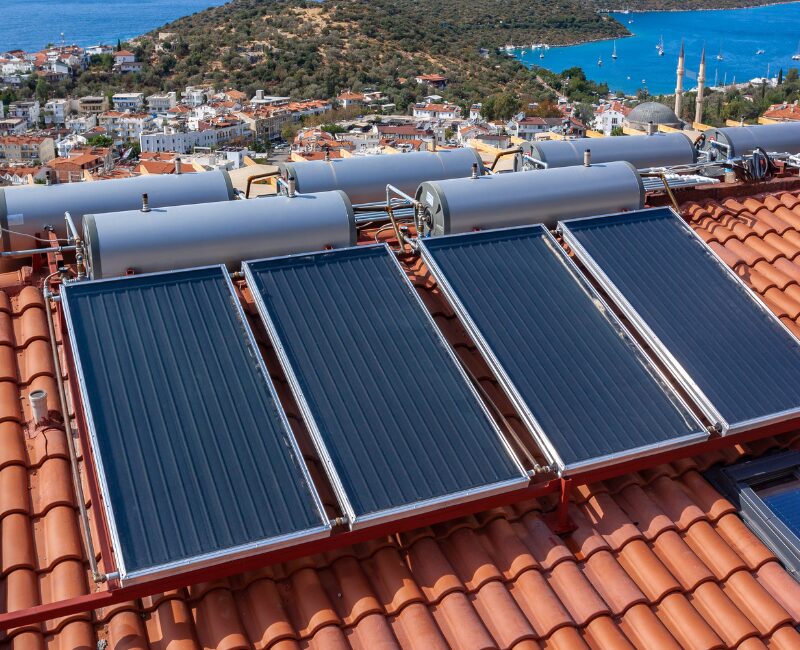
Are you ready to slash your energy bills and enjoy guilt-free hot showers? A solar water heater can be a game-changer for your home energy savings, but like any essential appliance, it needs a little TLC to keep performing at its best. Neglecting maintenance can lead to decreased efficiency, costly repairs, and a shorter lifespan.
This guide provides 15 essential tips for maintaining your solar water heater, ensuring it operates efficiently for years to come. We’ll cover everything from routine inspections and cleaning to freeze protection and professional servicing, empowering you to maximize your investment in sustainable home energy. Let's dive in and unlock the full potential of your solar water heater!
Regular Visual Inspections
The first line of defense in maintaining your solar water heater is regular visual inspections. A quick check-up every month or two can catch minor issues before they escalate into major problems. This is especially important if you live in an area with harsh weather conditions.
Check the Solar Collectors: Look for any signs of damage on the solar collectors, such as cracks, leaks, or discoloration. Are the panels clean and free of debris? Dust, leaves, and bird droppings can significantly reduce their efficiency. Inspect the Piping and Insulation: Examine the pipes connecting the solar collectors to the storage tank. Ensure the insulation is intact and that there are no signs of leaks, corrosion, or damage from rodents. Examine the Storage Tank:Look for any signs of leaks, rust, or corrosion around the storage tank. Check the pressure relief valve to ensure it's functioning correctly. A faulty pressure relief valve can cause the tank to over-pressurize, leading to potential damage.
Consistent observation allows for early detection, potentially saving you from larger expenses down the road. It's like giving your system a regular health check, ensuring it's ready to provide you with consistent, reliable hot water.
Why is Insulation So Important?
Proper insulation on your solar water heater's pipes and tank is crucial for maintaining energy efficiency. Insulation minimizes heat loss, preventing the water from cooling down too quickly, especially during colder months. Damaged or inadequate insulation forces your system to work harder to maintain the desired temperature, negating some of the energy savings you’d expect. Regularly checking and replacing worn-out insulation is a simple way to boost the overall performance of your solar water heater.
Flush the Storage Tank Annually
Over time, sediment and mineral buildup can accumulate in the storage tank of your solar water heater. This buildup can reduce the tank's capacity, decrease heating efficiency, and even damage the heating elements. Flushing the tank annually helps remove this sediment, ensuring optimal performance.
Here's how to flush your solar water heater storage tank:
1.Turn off the Power: Disconnect the power supply to the water heater at the circuit breaker. This is essential for your safety.
2.Turn off the Cold Water Supply: Locate the cold water inlet valve on top of the tank and turn it off.
3.Attach a Hose: Connect a garden hose to the drain valve located near the bottom of the tank.
4.Run the Water: Open the drain valve and let the water run until it clears. This may take some time, depending on the amount of sediment buildup.
5.Flush Periodically: Briefly open the cold water inlet valve to stir up any remaining sediment, then close it and continue draining. Repeat this process several times.
6.Close the Drain Valve: Once the water runs clear, close the drain valve and disconnect the hose.
7.Turn on the Cold Water Supply: Slowly turn on the cold water inlet valve to refill the tank.
8.Turn on the Power: Once the tank is full, turn the power supply back on at the circuit breaker.
Flushing the tank is a straightforward DIY task that can significantly improve the efficiency and longevity of your solar water heater.
What if I Can’t Do it Myself?
If you are uncomfortable performing this task yourself, don't hesitate to call a qualified plumber or solar water heater technician. They have the experience and equipment to safely and effectively flush your storage tank. Trying to flush the tank without proper knowledge can lead to damage or injury.
Inspect and Replace the Anode Rod
The anode rod is a sacrificial metal rod inside the storage tank that protects the tank from corrosion. Over time, the anode rod corrodes instead of the tank itself, extending the life of your water heater. However, as the anode rod corrodes, it needs to be inspected and eventually replaced.
Inspection Frequency: Check the anode rod every 2-3 years, depending on the water quality in your area. If you have hard water, you may need to inspect it more frequently. Replacement: Replace the anode rod when it is significantly corroded or depleted. A corroded anode rod will appear thin, pitted, or broken.
Replacing the anode rod is a relatively inexpensive maintenance task that can significantly extend the lifespan of your solar water heater. It's like giving your tank a shield against the damaging effects of corrosion.
Protect Your System from Freezing
If you live in an area with freezing temperatures, protecting your solar water heater from freezing is crucial. Frozen pipes can burst, causing significant damage to your system.
Insulation: Ensure all pipes and the storage tank are adequately insulated. Use pipe wrap insulation specifically designed for outdoor use. Drain-Down Systems: If you have a drain-down system, make sure it is functioning correctly. Drain-down systems automatically drain the water from the collectors and pipes when the temperature drops below freezing. Antifreeze Systems: If you have an antifreeze system, check the antifreeze level and concentration regularly. Antifreeze systems use a heat-transfer fluid (usually glycol) to prevent freezing. Continuous Circulation: In some cases, continuously circulating a small amount of water through the system can prevent freezing. Consult with a solar water heater technician to determine if this is appropriate for your system.
Taking these steps to protect your system from freezing can prevent costly repairs and ensure your solar water heater continues to function reliably throughout the winter months.
Professional Servicing and Maintenance
While many maintenance tasks can be performed DIY, it's essential to schedule professional servicing and maintenance for your solar water heater at least every 3-5 years. A qualified solar water heater technician can perform a comprehensive inspection, identify potential problems, and ensure your system is operating at peak efficiency.
Professional servicing may include: System Performance Testing: Evaluating the system's overall performance and efficiency. Component Inspection: Thoroughly inspecting all components, including the collectors, pipes, storage tank, and control system. Pressure Testing: Checking for leaks and pressure issues in the system. Antifreeze Testing (if applicable): Testing the antifreeze concentration and effectiveness. Control System Calibration:Calibrating the control system to ensure optimal operation.
Think of it as an annual check-up with a renewable energy doctor, catching any hidden issues before they turn into major headaches. Professional maintenance extends your system's life and maintains its energy efficiency.
10 Additional Quick Tips for a Healthy Solar Water Heater
Here are ten additional quick tips to help you maintain your solar water heater and maximize its performance:
1.Clear Obstructions: Trim any trees or bushes that may be shading your solar collectors.
2.Monitor Water Temperature: Keep an eye on your hot water temperature to ensure it's within the recommended range (120-140°F).
3.Check for Leaks: Regularly check around the system for any signs of leaks, and address them promptly.
4.Inspect Wiring: Check the electrical wiring for any signs of damage or corrosion.
5.Review Your Warranty: Understand your warranty coverage and schedule maintenance accordingly to maintain coverage.
6.Keep Records: Maintain a record of all maintenance and repairs performed on your system.
7.Use a Water Softener (if needed): If you have hard water, consider using a water softener to reduce mineral buildup.
8.Learn Your System: Familiarize yourself with the operation of your solar water heater and its components.
9.Adjust Temperature Settings Seasonally: Adjust the temperature settings on your system based on the season to optimize energy efficiency.
10.Don't Ignore Alarms: If your system has an alarm system, investigate any alarms promptly.
These quick tips can help you keep your solar water heater in top condition and ensure it provides you with reliable hot water for years to come.
How Can I Tell if My System is Underperforming?
Several signs can indicate that your solar water heater is underperforming. These include: Lower Hot Water Temperature: If your hot water temperature is consistently lower than usual, it could be a sign of a problem. Increased Energy Bills: If your energy bills are higher than expected, it could indicate that your system is not operating efficiently. Strange Noises: Unusual noises coming from the system, such as hissing or gurgling, could indicate a problem. Visible Damage: Any visible damage to the collectors, pipes, or storage tank should be addressed promptly.
If you notice any of these signs, it's essential to investigate the issue and take corrective action, such as performing maintenance or contacting a qualified technician.
By following these 15 essential tips, you can ensure your solar water heater operates efficiently, extends its lifespan, and maximizes your investment in sustainable home energy. Consistent maintenance is key to reaping the full benefits of solar water heating, saving you money on energy bills, and reducing your environmental impact. Embrace these practices, and you'll enjoy worry-free, energy-efficient hot water for years.
Frequently Asked Questions (FAQs)
How often should I clean my solar collectors?
Cleaning frequency depends on your environment. In dusty or polluted areas, clean your collectors every 3-6 months. In cleaner areas, once a year may suffice. Use a soft brush and water; avoid harsh chemicals.
Can I install a solar water heater myself?
While DIY installation is possible, it's highly recommended to hire a certified solar installer. Proper installation is crucial for optimal performance and safety. Incorrect installation can void warranties.
What is the lifespan of a solar water heater?
With proper maintenance, a solar water heater can last 15-20 years or more. Regular inspections, flushing the tank, and replacing the anode rod can significantly extend its lifespan.
Is a solar water heater worth the investment?
Yes, solar water heaters can be a worthwhile investment for many homeowners. They can significantly reduce your energy bills, decrease your carbon footprint, and increase your home's value. The payback period varies depending on factors like location, energy consumption, and government incentives.
Keep your solar water heater running efficiently with our 15 essential maintenance tips! Learn how to inspect, clean, and protect your system for maximum home energy savings.