
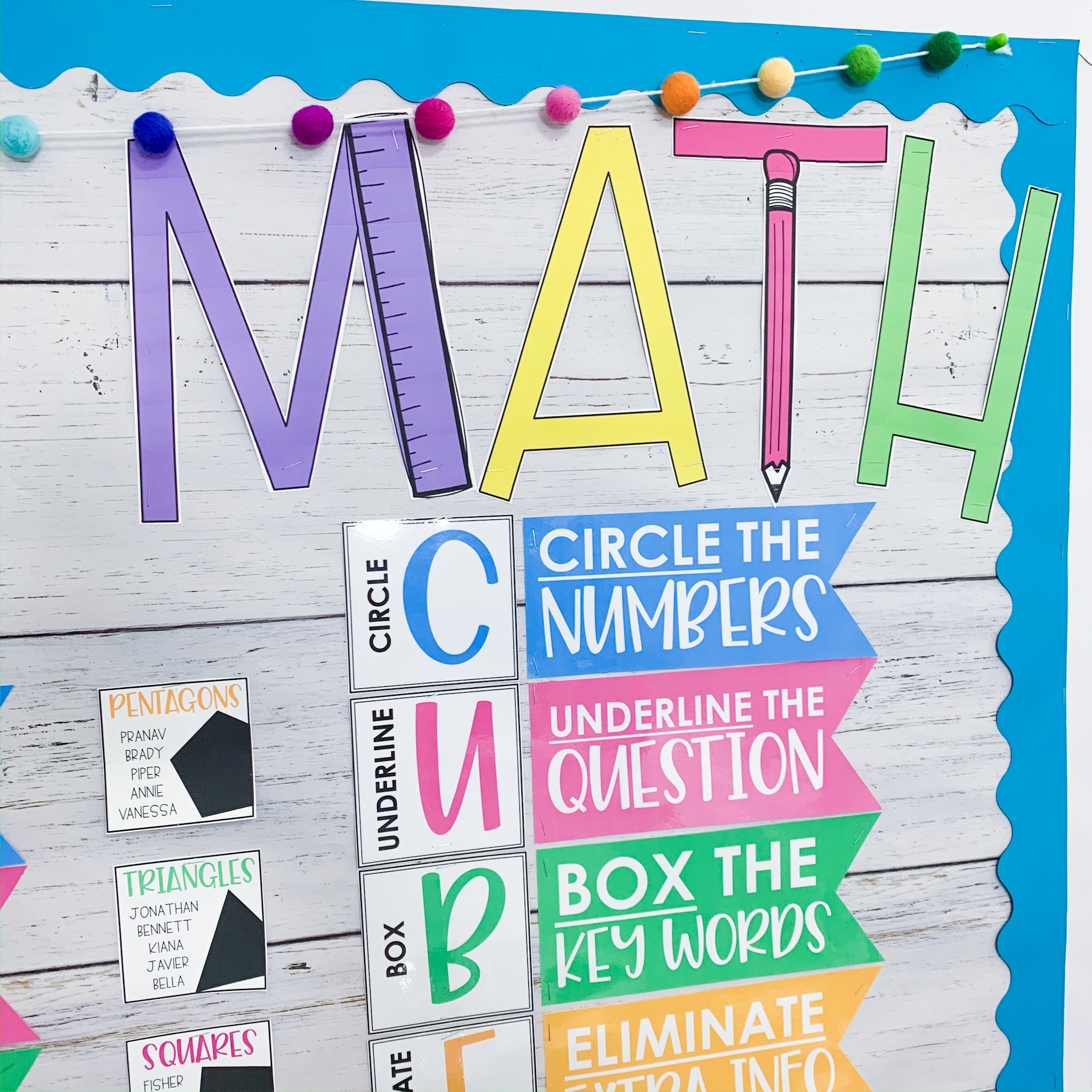
Ever feel like your thoughts, reminders, and to-dos are scattered to the winds, lost in the digital ether or scribbled on scraps of paper that mysteriously vanish? Imagine a central hub, a tangible space where you can pin down those fleeting ideas, important dates, and inspiring images – a home bulletin board system. It’s more than just cork and tacks; it's about creating a personalized command center for your life.
We've all been there, drowning in digital notifications, missing deadlines because a sticky note fell off the fridge, or forgetting a crucial appointment because it was buried in the depths of your overloaded inbox. The modern world bombards us with information, making it harder than ever to stay organized and focused on what truly matters. Setting up a home bulletin board system offers a refreshing alternative, a way to reclaim control and bring order to the chaos.
This guide will walk you through the process of creating your own home bulletin board system, tailored to your specific needs and aesthetic. We'll cover everything from choosing the right materials and location to organizing your board effectively and keeping it updated. Get ready to transform a blank wall into a powerful tool for productivity and inspiration!
In essence, setting up a home bulletin board system involves selecting the right board type, finding an ideal location, gathering essential supplies, organizing information effectively, and maintaining the board to keep it relevant. Consider corkboards, whiteboards, or magnetic boards, and think about high-traffic areas where you'll see it regularly. Gather tacks, markers, magnets, and colorful pens. Organize items by category – appointments, reminders, inspiration – and commit to regular updates. By following these steps, you can create a personalized, tangible system to keep your life organized and inspired.
Choosing the Right Bulletin Board Type
The first step in setting up your home bulletin board system is selecting the right type of board. This decision will influence not only the aesthetics of your space but also the functionality of your board. My first attempt at a bulletin board was a complete disaster! I grabbed a cheap corkboard from the discount store, slapped it on the wall, and thought I was done. Within a week, the cork was crumbling, the tacks were falling out, and the whole thing looked like a sad, neglected afterthought. I quickly learned that quality matters. Corkboards are a classic choice, offering a soft surface that's easy to pin items to. However, as my experience showed, not all corkboards are created equal. Look for thicker, denser corkboards that won't crumble easily. Consider adding a fabric covering for extra durability and a pop of color. Whiteboards are another popular option, especially for those who prefer a more modern look. They're great for jotting down quick notes and brainstorming ideas, and they can be easily erased and updated. Magnetic boards offer a versatile alternative, allowing you to attach items with magnets instead of tacks. This can be particularly useful for displaying delicate items or photographs that you don't want to damage. Consider the size and shape of your board as well. A large board can accommodate more information, but it may also overwhelm a small space. A smaller board may be more manageable, but it may not provide enough space for everything you need to display. Ultimately, the best type of board for you will depend on your personal preferences and the specific needs of your home and lifestyle. Think about how you plan to use the board and choose a material that suits your style and workflow.
Finding the Perfect Location
Location, location, location! This isn't just a real estate mantra; it's also crucial for your home bulletin board system. A board tucked away in a rarely visited room is as good as useless. You need to place it where you'll see it regularly, ideally in a high-traffic area like the kitchen, hallway, or home office. Consider the lighting in your chosen location. You want to make sure your board is well-lit so that you can easily read the information displayed on it. Avoid placing it in direct sunlight, as this can fade the colors and damage the materials over time. Think about the overall aesthetic of the room as well. Your bulletin board should complement the existing decor, not clash with it. If your room is minimalist and modern, a sleek whiteboard or magnetic board may be a better choice than a rustic corkboard. If your room is cozy and traditional, a corkboard with a fabric covering may be a better fit. The height of the board is also important. You want to make sure it's at a comfortable viewing height for everyone who will be using it. A good rule of thumb is to place the center of the board at eye level. Before you commit to a location, take some time to observe how you move through your home. Where do you spend the most time? Where do you need to be reminded of important tasks and appointments? By carefully considering these factors, you can find the perfect location for your bulletin board and ensure that it becomes a valuable tool for staying organized and on top of things.
The History and Myth of Bulletin Boards
The bulletin board, as a concept, is surprisingly old. While the modern corkboard might seem like a relatively recent invention, the idea of a public space for announcements and information dates back centuries. Think of the town crier in medieval villages, shouting out news and decrees. Or the public notice boards in town squares, where official announcements and local advertisements were posted. These were the precursors to the bulletin board we know and love today. One myth surrounding bulletin boards is that they're only for disorganized people. The thinking goes, "If you were truly organized, you wouldn't need a board to remind you of things." But that's simply not true. Even the most organized individuals can benefit from a visual reminder system. A bulletin board isn't just about managing chaos; it's about optimizing your workflow, sparking creativity, and keeping important information readily accessible. Another myth is that bulletin boards are inherently cluttered and unattractive. While it's true that a poorly organized board can look like a chaotic mess, a well-designed board can be a beautiful and functional addition to any space. With a little planning and creativity, you can create a bulletin board that is both visually appealing and incredibly useful. The modern bulletin board gained popularity in schools and offices, where it served as a central hub for important information. Over time, it evolved into a versatile tool for personal organization and creative expression. From simple corkboards to elaborate magnetic displays, the bulletin board has adapted to meet the changing needs of its users. So, embrace the history and dispel the myths. A bulletin board is a timeless tool for staying organized, inspired, and connected to the world around you.
Unlocking the Hidden Secrets of Bulletin Board Organization
The secret to a successful home bulletin board system isn't just about having a board; it's about organizing it effectively. A cluttered, disorganized board is worse than no board at all. It becomes a source of stress and overwhelm, rather than a tool for productivity. One hidden secret is the power of categorization. Don't just randomly tack up papers and photos. Group similar items together to create a clear visual hierarchy. You might have sections for appointments, to-do lists, inspiration, and important documents. Color-coding is another powerful organizational tool. Use different colored tacks, markers, or paper to distinguish between different categories. For example, you could use red for urgent tasks, blue for appointments, and green for inspirational quotes. Another secret is to keep your board updated regularly. Outdated information is useless information. Take a few minutes each week to remove old items, add new ones, and reorganize the board as needed. This will help keep your board fresh and relevant. Don't be afraid to get creative with your organization. Use decorative tape, stickers, or stencils to add visual interest and make your board more appealing. The more you enjoy looking at your board, the more likely you are to use it. Finally, remember that your bulletin board is a work in progress. Don't be afraid to experiment with different organizational strategies until you find what works best for you. There's no one-size-fits-all solution. The key is to create a system that is tailored to your specific needs and preferences. By unlocking these hidden secrets of organization, you can transform your bulletin board into a powerful tool for productivity and inspiration.
Recommendations for Bulletin Board Success
Success with a home bulletin board system hinges on a few key recommendations. First, invest in quality materials. A flimsy board or cheap tacks will only lead to frustration. Choose a board that is sturdy and durable, and use high-quality tacks or magnets that won't fall out easily. Second, personalize your board. Make it a reflection of your interests, goals, and personality. Add photos, quotes, and artwork that inspire you. The more you connect with your board, the more likely you are to use it. Third, establish a routine for updating your board. Don't let it become a dumping ground for old papers and forgotten tasks. Take a few minutes each week to clear out the clutter and add new information. Fourth, keep it visible. Place your board in a high-traffic area where you'll see it regularly. This will help you stay on top of your tasks and appointments. Fifth, don't be afraid to experiment. Try different organizational strategies, color-coding systems, and design elements until you find what works best for you. Finally, remember that your bulletin board is a tool to help you achieve your goals. Use it to stay organized, motivated, and inspired. By following these recommendations, you can create a bulletin board system that is both functional and enjoyable to use. My personal recommendation is to start small and build from there. Don't try to create the perfect board overnight. Begin with the essentials and add more elements as you go. This will help you avoid overwhelm and ensure that your board remains a valuable tool for your everyday life.
Choosing the Right Supplies: Beyond Tacks and Cork
Choosing the right supplies goes far beyond simply grabbing a pack of tacks and a corkboard. The materials you select will significantly impact the functionality and aesthetics of your home bulletin board system. Let's delve deeper into some essential supplies and explore how they can enhance your board: Tacks and Pushpins: While seemingly basic, the quality of your tacks and pushpins matters. Opt for sturdy tacks with sharp points that won't bend or break easily. Consider decorative pushpins with colorful heads or unique designs to add a touch of personality to your board. Magnets: If you choose a magnetic board, invest in strong magnets that can securely hold multiple layers of paper. Decorative magnets with interesting shapes or patterns can also add visual appeal. Markers and Pens: For whiteboards or write-on boards, select high-quality markers that won't bleed or fade. Consider using different colors to categorize information or add visual interest. Colorful pens and pencils can also be useful for adding notes or highlighting important details. Tape and Washi Tape: Decorative tape, such as washi tape, can be used to frame photos, create borders, or add pops of color to your board. It's also a great way to attach lightweight items without using tacks or magnets. Clips and Clothespins: Small clips and clothespins can be used to hang photos, postcards, or other lightweight items from your board. They add a rustic touch and can be easily repositioned. Pockets and Envelopes: Attach small pockets or envelopes to your board to store loose papers, receipts, or business cards. This helps keep your board organized and prevents items from getting lost. Fabric and Ribbon: If you choose to cover your corkboard with fabric, select a durable and visually appealing material. Ribbon can be used to create decorative accents or to hang lightweight items. By carefully selecting the right supplies, you can create a bulletin board that is both functional and visually appealing. Don't be afraid to experiment with different materials and techniques to find what works best for you.
Tips for Maintaining an Organized and Up-to-Date Bulletin Board
Maintaining an organized and up-to-date bulletin board is crucial for its long-term effectiveness. Here are some essential tips to help you keep your board in top shape: Schedule Regular Purges: Dedicate a few minutes each week or month to review your board and remove outdated or irrelevant items. This will prevent clutter and ensure that your board remains a valuable tool. Establish a Filing System: Create a filing system for items that you remove from your board. This will allow you to easily retrieve information when needed and prevent important documents from getting lost. Use Clear Labels: Label each section of your board clearly to make it easy to find specific information. Use large, legible labels that are easy to read from a distance. Color-Code Information: Use different colors to categorize information and make it easier to scan your board quickly. For example, you could use red for urgent tasks, blue for appointments, and green for inspiration. Rotate Items Regularly: Rotate the items on your board regularly to keep things fresh and prevent visual fatigue. This will also help you stay engaged with your board and ensure that you don't miss important information. Keep Supplies Handy: Keep a small container of tacks, magnets, markers, and other essential supplies near your board so that you can easily update it as needed. Encourage Contributions: If your board is used by multiple people, encourage everyone to contribute to its upkeep. This will help ensure that the board remains relevant and useful for everyone. By following these tips, you can maintain an organized and up-to-date bulletin board that serves as a valuable tool for your home or office. Remember that consistency is key. The more you invest in maintaining your board, the more it will benefit you in the long run.
The Role of Visual Hierarchy in Bulletin Board Design
Visual hierarchy plays a critical role in the effectiveness of your home bulletin board system. It's the arrangement of elements in a way that guides the viewer's eye and emphasizes the most important information. A well-designed visual hierarchy makes your board easy to scan and understand at a glance. Here's how you can implement visual hierarchy on your bulletin board: Size and Scale: Use size to indicate importance. Larger items will naturally attract more attention than smaller items. Place the most important items in the largest format. Color and Contrast: Use color and contrast to highlight key information. Bright colors and bold contrasts will draw the eye. Use color strategically to emphasize deadlines, urgent tasks, or important reminders. Placement and Position: Place the most important items in a prominent location on your board, such as the center or top left corner. These areas naturally attract more attention. Grouping and Proximity: Group related items together to create a sense of unity and coherence. Use proximity to indicate relationships between different elements. White Space and Negative Space: Use white space (or negative space) to create visual separation between different elements. This will prevent your board from feeling cluttered and overwhelming. Typography and Font Choice: Use clear and legible fonts that are easy to read from a distance. Use different font sizes and styles to create visual interest and emphasize key information. By implementing these principles of visual hierarchy, you can create a bulletin board that is both visually appealing and incredibly effective at conveying information. Remember that the goal is to guide the viewer's eye and make it easy to find the information they need. A well-designed visual hierarchy will help you achieve this goal.
Fun Facts About Bulletin Boards
Believe it or not, there are some fascinating and fun facts surrounding the humble bulletin board! Did you know that the term "bulletin board" is believed to have originated from the practice of posting public announcements on the doors of buildings, often using small "bulletins" or notices? The world's largest bulletin board is said to be located in the Pentagon, measuring an impressive 17,500 square feet! It's used to display maps, charts, and other important information. Cork, the primary material used in many bulletin boards, is harvested from the bark of the cork oak tree. The bark can be harvested every nine years without harming the tree, making it a sustainable resource. While corkboards are the most common type of bulletin board, there are many other materials that can be used, including fabric, foam, and even recycled materials like cardboard and bottle caps. Bulletin boards have been used for a variety of purposes throughout history, from posting public notices and advertisements to displaying artwork and personal mementos. During World War II, bulletin boards were used to display propaganda posters and recruitment notices. In schools, bulletin boards are used to showcase student work, display educational information, and announce upcoming events. The design of a bulletin board can have a significant impact on its effectiveness. A well-designed board is visually appealing, easy to read, and organized in a way that makes it easy to find information. Bulletin boards can be used to foster creativity and collaboration. In workplaces, they can be used to brainstorm ideas, share information, and celebrate team achievements. So, the next time you see a bulletin board, take a moment to appreciate its rich history and its versatility as a tool for communication, organization, and inspiration. It's more than just a piece of corkboard; it's a reflection of our human need to share information and connect with one another.
How to Decorate Your Bulletin Board to Reflect Your Style
Decorating your bulletin board is an opportunity to express your personal style and create a space that inspires you. Here's how to transform a plain board into a reflection of your unique personality: Choose a Theme: Start by selecting a theme that resonates with you. This could be anything from a favorite color palette to a specific style, such as bohemian, minimalist, or vintage. Select Coordinating Materials: Choose materials that complement your chosen theme. This could include patterned paper, fabric swatches, decorative tape, and colorful pushpins. Add Personal Touches: Incorporate personal items that reflect your interests and passions. This could include photos, artwork, quotes, and mementos from travels or special occasions. Use Decorative Accents: Add decorative accents to enhance the visual appeal of your board. This could include flowers, plants, fairy lights, or small figurines. Create a Focal Point: Designate a focal point on your board to draw the eye and create visual interest. This could be a large photo, a piece of artwork, or a particularly inspiring quote. Balance Functionality and Aesthetics: Strive for a balance between functionality and aesthetics. Your board should be both visually appealing and organized in a way that makes it easy to find information. Don't Be Afraid to Experiment: Experiment with different layouts, colors, and textures until you find a design that you love. Remember that your bulletin board is a reflection of you, so have fun and let your personality shine through. Keep it Updated: Regularly update your board with new items and decorations to keep it fresh and inspiring. A bulletin board is a dynamic space that should evolve with your changing interests and goals. By following these tips, you can create a bulletin board that is not only functional but also a beautiful and inspiring addition to your home or office.
What If Your Bulletin Board System Fails? Troubleshooting Common Issues
Even with the best intentions, your home bulletin board system might encounter some snags. Don't despair! Here's how to troubleshoot common issues and get back on track: Clutter Overload: If your board becomes overwhelmed with clutter, it's time for a purge. Remove outdated or irrelevant items and reorganize the remaining content. Consider implementing a "one in, one out" policy to prevent future clutter. Lack of Visibility: If you find yourself ignoring your board, it might be in a less-than-ideal location. Experiment with moving it to a more prominent spot where you'll see it regularly. Poor Organization: If your board is disorganized and difficult to navigate, it's time to rethink your organizational system. Consider using color-coding, labeling, or grouping to improve the clarity and structure of your board. Lack of Motivation: If you're struggling to stay motivated to update your board, try setting aside a specific time each week or month to dedicate to it. Make it a fun and enjoyable activity by listening to music or treating yourself to a small reward afterward. Not Reflecting Your Needs: Over time, your needs and priorities may change. If your board no longer reflects your current goals or interests, it's time for a refresh. Update the content and decorations to align with your evolving lifestyle. Resistance From Others: If you share your board with others, you might encounter resistance to your organizational system. Communicate your goals and expectations clearly and be open to compromise. By addressing these common issues, you can ensure that your home bulletin board system remains a valuable and effective tool for years to come. Remember that it's okay to make adjustments along the way. The key is to stay flexible and adapt your system to meet your evolving needs.
Listicle: 10 Creative Bulletin Board Ideas to Spark Inspiration
Ready to take your bulletin board to the next level? Here are 10 creative ideas to spark your inspiration: Travel Memories Board: Display photos, postcards, and souvenirs from your past travels. Add maps, ticket stubs, and travel quotes to complete the theme. Goal-Setting Board: Create a visual representation of your goals and aspirations. Include images, affirmations, and action steps to keep you motivated. Inspiration Board: Gather quotes, images, and articles that inspire you. Use this board to fuel your creativity and stay positive. To-Do List Board: Create a visually appealing to-do list that is easy to scan at a glance. Use different colors and fonts to prioritize tasks. Recipe Board: Display your favorite recipes and meal ideas. Add photos of your culinary creations and cooking tips. Garden Planning Board: Plan your garden layout, track planting dates, and display photos of your dream garden. Family Photo Board: Showcase cherished family photos and memories. Add captions, dates, and anecdotes to personalize the display. Art and Craft Supply Board: Organize your art and craft supplies in a visually appealing way. Use jars, baskets, and shelves to create a functional and stylish display. Book Lover's Board: Display your favorite book covers, quotes, and reading recommendations. Add photos of authors and literary landmarks. Seasonal Decoration Board: Create a board that reflects the current season or holiday. Use seasonal colors, decorations, and images to create a festive atmosphere. By using these ideas as a starting point, you can create a bulletin board that is both functional and visually stunning. Let your creativity flow and have fun experimenting with different themes, materials, and layouts.
Question and Answer about How to Set Up a Home Bulletin Board System
Here are some commonly asked questions about setting up a home bulletin board system:
Q: What's the best size for a home bulletin board?
A: The ideal size depends on your available space and the amount of information you want to display. Start by measuring the area where you plan to place the board. A good rule of thumb is to choose a board that is large enough to accommodate your needs without overwhelming the space.
Q: What are the best materials for a bulletin board?
A: Corkboards are a classic choice, but there are many other options available, including fabric-covered boards, whiteboards, and magnetic boards. Consider your personal preferences and the specific needs of your home or office.
Q: How can I keep my bulletin board organized?
A: Use clear labels, color-coding, and grouping to organize your board. Regularly purge outdated or irrelevant items and establish a filing system for removed documents.
Q: How can I make my bulletin board more visually appealing?
A: Choose a theme, select coordinating materials, add personal touches, and use decorative accents. Don't be afraid to experiment with different layouts and designs until you find something that you love.
Conclusion of How to Set Up a Home Bulletin Board System
Setting up a home bulletin board system is a simple yet powerful way to enhance organization, boost creativity, and personalize your living space. By carefully selecting the right materials, finding the perfect location, and implementing effective organizational strategies, you can create a tangible command center that helps you stay on top of tasks, track important dates, and pursue your goals with greater focus. Remember to infuse your personality into the design, keep the board updated, and adapt the system to your evolving needs. Embrace the fun facts and creative ideas presented, and don't hesitate to troubleshoot any challenges that arise. With a little effort and creativity, your home bulletin board system can become an indispensable tool for a more organized, inspired, and fulfilling life.