
Imagine a world where toys never grow old, never clutter your living room, and always bring a spark of excitement to playtime. Sounds dreamy, right? Well, what if I told you there’s a way to bring that dream a little closer to reality, right within your own home?
We all know how quickly children outgrow their toys. One minute they're obsessed with a particular train set, and the next, it's gathering dust in a corner. The constant cycle of buying, playing, and discarding can be overwhelming, not to mention the financial strain and the environmental impact of all that plastic. It's hard to keep up with their ever-changing interests and desires, and the toy clutter can quickly take over your home.
The answer? Creating a toy lending shelf at home! This isn't just about decluttering; it's about fostering a sense of community, extending the lifespan of toys, and sparking fresh joy with every exchange. We'll explore how to set up your own toy lending shelf, making playtime more sustainable, engaging, and fun for everyone involved.
By establishing a toy lending shelf, you can reduce waste, save money, and introduce your child to a wider variety of play experiences. It's a fantastic way to teach responsibility, sharing, and the value of community. So, let's get started and transform your home into a hub of endless play!
Benefits of a Toy Lending Shelf
For me, the benefits of a toy lending shelf became crystal clear when my son, Liam, went through his dinosaur phase. We bought him a whole collection of plastic dinosaurs, each one roaring and stomping with ferocious energy. He loved them for a solid three months, and then… nothing. They were relegated to the toy bin, untouched and unloved. It felt wasteful, like we were contributing to a mountain of discarded plastic. That's when I started thinking about a better way.
A toy lending shelf is more than just a storage solution; it's a community resource. It allows families to share toys, extending their lifespan and reducing the need to constantly buy new ones. This, in turn, saves money and reduces waste. Beyond the practical benefits, it teaches children valuable lessons about sharing, responsibility, and the importance of caring for their belongings. It also exposes them to a wider variety of toys, stimulating their creativity and imagination. Think of it as a library, but for toys!
Imagine your child getting bored with their building blocks. Instead of buying a brand new toy, they can "borrow" a puzzle from the lending shelf. This not only introduces them to a new type of play but also encourages them to appreciate the toys they already have. When the puzzle loses its appeal, it can be returned to the shelf, ready for another child to enjoy. It's a win-win situation for everyone involved!
Setting Up Your Toy Lending Shelf
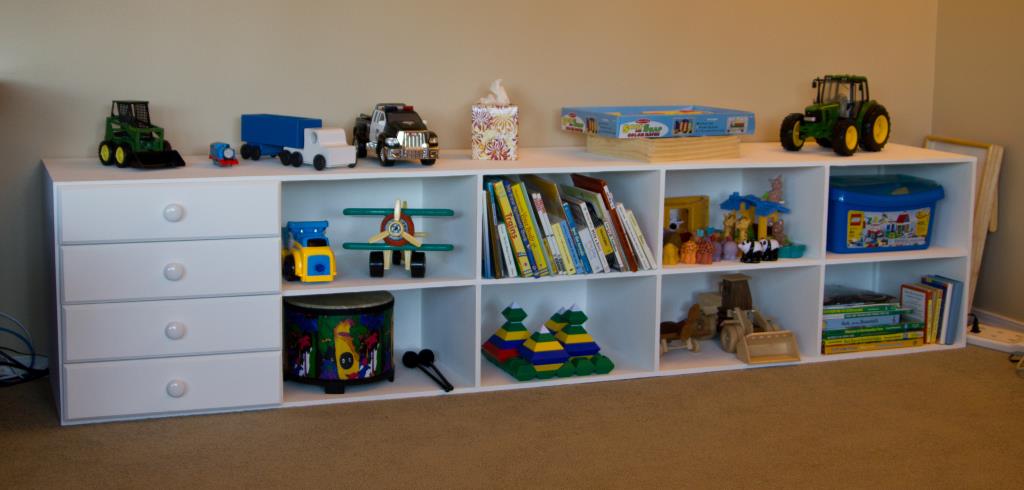
Setting up your toy lending shelf is surprisingly straightforward. The first step is to designate a dedicated space. This could be a bookshelf, a corner of a playroom, or even a sturdy cabinet. The key is to choose a location that is easily accessible to children and has enough space to accommodate a variety of toys. Once you have your space, it's time to organize! Consider using clear bins or labeled shelves to categorize the toys by type (e.g., puzzles, dolls, vehicles, building blocks) or by age appropriateness. This will make it easier for children to find what they're looking for and for you to keep track of the inventory.
Next, it's time to establish some basic rules. These rules will ensure that the lending process is fair and that the toys are well-maintained. Consider setting a borrowing limit (e.g., one or two toys at a time) and a return timeframe (e.g., one week). It's also important to emphasize the importance of treating the toys with care and returning them in good condition. You might even create a simple sign-out sheet or a digital spreadsheet to track who has borrowed which toys and when they are due back.
Finally, spread the word! Let your friends, neighbors, and other families in your community know about your toy lending shelf. You can create flyers, post on social media, or simply tell people you meet at the park. The more people who participate, the more vibrant and diverse your toy lending shelf will become. Remember, the goal is to create a community resource that benefits everyone involved!
The History and Myth of Toy Lending
While the concept of a formal "toy lending shelf" in homes might be relatively modern, the idea of sharing and reusing toys has been around for ages. Throughout history, communities have often relied on shared resources to meet their needs, and toys are no exception. In many cultures, handmade toys were passed down through generations, becoming cherished heirlooms rather than disposable playthings. This inherent sense of sharing and valuing resources is at the heart of the modern toy lending movement.
One common myth surrounding toy lending is that it's only for families who can't afford to buy new toys. While it's true that toy lending can be a valuable resource for families on a budget, it's also a great option for anyone who wants to reduce waste, promote sustainability, and foster a sense of community. It's about making conscious choices about consumption and embracing a more collaborative approach to play.
Another myth is that toy lending is too complicated or time-consuming to manage. While it does require some initial effort to set up the system and establish rules, it quickly becomes a self-sustaining process. With a little organization and communication, a toy lending shelf can be a simple and rewarding way to enrich your child's playtime and contribute to a more sustainable lifestyle.
Hidden Secrets of a Thriving Toy Lending Shelf
The real magic of a toy lending shelf lies not just in the borrowing and lending, but in the connections it fosters. One hidden secret is the opportunity to connect with other parents in your community. Sharing toys creates a natural conversation starter, allowing you to exchange parenting tips, recommend local activities, and build friendships. It's a chance to create a support network and feel more connected to your community.
Another secret is the power of toy rotations. Regularly switching out the toys on your lending shelf can reignite a child's interest and prevent them from becoming bored with their existing toys. This doesn't necessarily mean buying new toys; it simply means re-introducing toys that have been out of sight for a while. It's like discovering a hidden treasure, bringing a fresh wave of excitement to playtime.
Finally, don't underestimate the value of teaching children how to care for their toys. Encourage them to clean and repair toys before returning them to the lending shelf. This teaches them responsibility, problem-solving skills, and the importance of respecting shared resources. It's a valuable life lesson that will serve them well beyond the playroom.
Recommendations for a Successful Toy Lending Shelf
To ensure your toy lending shelf is a success, start small and gradually expand. Don't feel like you need to have a huge collection of toys right away. Begin with a few of your child's favorites and encourage them to share. As more people participate, the variety of toys will naturally grow.
Consider hosting a toy swap event to kickstart your lending shelf. Invite friends, neighbors, and other families in your community to bring their gently used toys to exchange. This is a fun and easy way to build your inventory and introduce the concept of toy lending to a wider audience.
Don't be afraid to experiment with different lending systems. Some families prefer a formal sign-out sheet, while others prefer a more informal honor system. Find what works best for your community and adjust as needed. The key is to be flexible and adapt to the needs of the families involved.
Toy Lending Shelf: Age Appropriateness
It's crucial to consider age appropriateness when organizing your toy lending shelf. Keep in mind that toys designed for older children may contain small parts that pose a choking hazard for younger children. Clearly label toys by age group (e.g., 0-3 years, 3-5 years, 5+ years) to ensure that everyone is playing safely. It's also a good idea to have a separate section for toys that require adult supervision, such as those with intricate parts or potentially hazardous materials.
When selecting toys for your lending shelf, prioritize those that are durable and easy to clean. Toys made from sturdy materials like wood or high-quality plastic are more likely to withstand repeated use and handling. Avoid toys with small, easily detachable parts, as these can be a safety hazard and can also get lost easily. Choose toys that can be easily wiped down with a damp cloth or disinfectant wipe to maintain hygiene.
Finally, be mindful of any toys that may be culturally insensitive or promote harmful stereotypes. Toy lending is an opportunity to create a diverse and inclusive play environment, so it's important to choose toys that reflect a variety of cultures, backgrounds, and abilities. By carefully considering age appropriateness and safety, you can create a toy lending shelf that is both fun and enriching for all children involved.
Tips for Maintaining a Clean and Organized Lending Shelf
Regularly cleaning and organizing your toy lending shelf is essential for maintaining hygiene and ensuring that toys are in good condition. Schedule a regular cleaning day (e.g., once a month) to wipe down all the toys with a disinfectant wipe or a mild soap and water solution. Pay particular attention to toys that are frequently handled or used by multiple children.
Encourage children to help with the cleaning process. This teaches them responsibility and helps them understand the importance of caring for shared resources. Make it a fun activity by playing some music and turning it into a cleaning dance party!
Establish a system for repairing damaged toys. Have a designated "repair box" where you can collect toys that need fixing. Encourage children to bring any broken toys to the repair box so they can be assessed and repaired. This teaches them valuable problem-solving skills and extends the lifespan of the toys.
Toy Lending Shelf Etiquette: A Guide for Participants
Establishing clear guidelines for toy lending etiquette is crucial for ensuring a smooth and enjoyable experience for everyone involved. Emphasize the importance of treating the toys with respect and returning them in the same condition they were borrowed. Encourage children to handle the toys gently and avoid throwing or damaging them.
Set a clear return timeframe for borrowed toys. This ensures that everyone has a fair chance to enjoy the toys and that the lending shelf remains stocked with a variety of options. A week or two is generally a good timeframe, but you can adjust it based on the needs of your community.
Encourage open communication among participants. If a toy is damaged or lost, it's important to communicate this to the owner or the lending shelf coordinator. This allows for prompt repairs or replacements and helps maintain transparency and trust within the community.
Fun Facts About Toy Lending
Did you know that toy libraries, a more formalized version of toy lending shelves, have been around for decades? The first toy library was established in Sweden in the 1960s, and the concept quickly spread to other countries around the world. Today, there are thousands of toy libraries operating globally, providing access to toys for children of all backgrounds.
Another fun fact is that toy lending can be a surprisingly effective way to promote early childhood development. Studies have shown that access to a variety of toys can stimulate creativity, problem-solving skills, and social-emotional development in young children. By providing access to a diverse range of playthings, toy lending can help children reach their full potential.
Finally, toy lending is a growing trend in the sustainable living movement. More and more families are looking for ways to reduce their environmental impact and consume more consciously. Toy lending offers a simple and effective way to achieve these goals, by extending the lifespan of toys and reducing the need to constantly buy new ones.
How to Get Your Community Involved
To truly make your toy lending shelf a success, it's essential to get your community involved. Start by reaching out to your neighbors, friends, and other families in your area. Explain the concept of toy lending and invite them to participate. The more people who contribute, the more diverse and vibrant your lending shelf will become.
Consider partnering with local organizations, such as schools, libraries, or community centers, to promote your toy lending shelf. These organizations can help you reach a wider audience and provide a convenient location for families to borrow and return toys.
Host community events to celebrate toy lending and encourage participation. Organize a toy swap, a toy donation drive, or a workshop on toy repair. These events can help build awareness, foster a sense of community, and make toy lending a fun and engaging activity for everyone involved.
What if Your Toy Lending Shelf Becomes Too Popular?
It's a wonderful problem to have if your toy lending shelf becomes too popular! However, it's important to be prepared for this scenario and have a plan in place to manage the increased demand. One solution is to expand your inventory by soliciting more toy donations or partnering with local businesses to obtain discounted toys.
Consider implementing a waiting list system for popular toys. This ensures that everyone has a fair chance to borrow the toys they want and prevents hoarding. You can also set a borrowing limit (e.g., one or two toys at a time) to ensure that there are enough toys to go around.
Enlist the help of volunteers to manage the lending shelf. You can recruit parents, students, or retired community members to assist with tasks such as cleaning, organizing, and tracking borrowed toys. This will help distribute the workload and ensure that the lending shelf is well-maintained.
Listicle of Must-Have Toys for Your Lending Shelf
Here's a list of must-have toys to consider adding to your lending shelf:
- Building blocks: Versatile and timeless, building blocks encourage creativity and problem-solving skills.
- Puzzles: Great for developing spatial reasoning and fine motor skills.
- Dolls and action figures: Promote imaginative play and storytelling.
- Vehicles: Cars, trucks, and airplanes encourage exploration and adventure.
- Musical instruments: Introduce children to the joy of music and rhythm.
- Art supplies: Crayons, markers, and paint allow children to express their creativity.
- Board games: Promote social interaction and strategic thinking.
- Outdoor toys: Balls, jump ropes, and frisbees encourage physical activity and outdoor play.
- Dress-up clothes: Spark imaginative role-playing and storytelling.
- Books: Encourage literacy and a love of reading.
Question and Answer
Here are some common questions and answers about toy lending shelves:
Q: What if a toy gets lost or damaged?
A: It's important to have a clear policy in place for lost or damaged toys. In most cases, families are responsible for replacing the toy or contributing to the cost of repairs. However, it's also important to be understanding and flexible, especially if the damage was unintentional.
Q: How do I ensure that the toys are safe and hygienic?
A: Regularly clean and disinfect the toys. Prioritize toys that are durable and easy to clean. Avoid toys with small, easily detachable parts that could pose a choking hazard.
Q: How do I get started with a toy lending shelf if I don't have many toys?
A: Start small and gradually build your inventory. Ask friends and family to donate their gently used toys. Host a toy swap event to gather more toys and introduce the concept to your community.
Q: How do I keep track of who has borrowed which toys?
A: Use a simple sign-out sheet or a digital spreadsheet to track borrowed toys. Include information such as the borrower's name, the toy's name, the borrowing date, and the return date.
Conclusion of How to Make a Toy Lending Shelf at Home
Creating a toy lending shelf at home is a rewarding experience that benefits your family, your community, and the environment. It's a chance to reduce waste, save money, foster a sense of community, and provide children with access to a wider variety of play experiences. So, gather your resources, spread the word, and get ready to transform your home into a hub of endless play!