
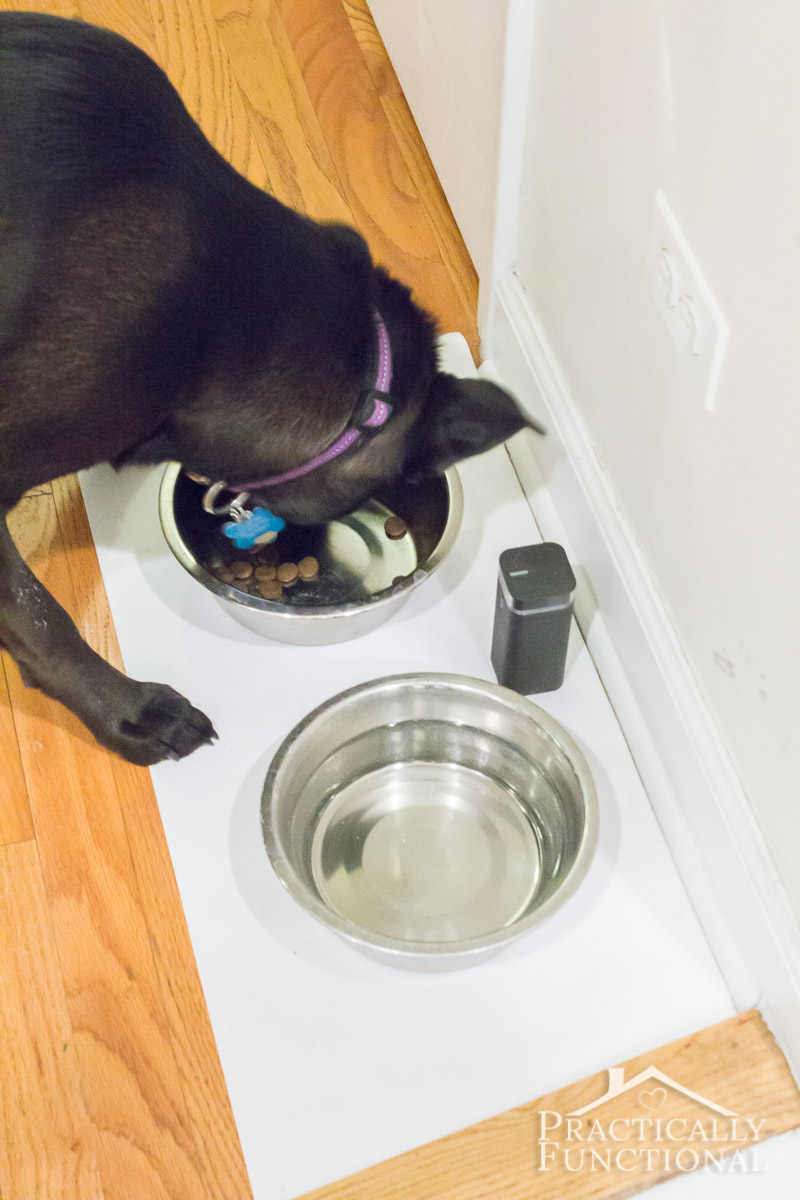
Ever walked past your pet's food bowls and thought, "Ugh, I really need to deal with that mess"? You're not alone! Between the crumbs, the water splashes, and the occasional rogue kibble, pet feeding stations can quickly become a breeding ground for germs and a magnet for unwanted pests. But fear not, keeping your furry friend's dining area clean and tidy doesn't have to be a chore. It's all about establishing a simple routine and understanding why it matters.
Let's be honest, nobody enjoys scrubbing encrusted food bits off bowls or wiping up sticky spills day after day. Plus, a dirty feeding station can attract ants, flies, and even rodents – not to mention, it can harbor bacteria that could potentially make your pet sick. These less-than-ideal scenarios are easily avoided with a little preventative maintenance.
This guide will walk you through the essential steps for maintaining a clean and hygienic pet feeding station. We'll cover everything from choosing the right bowls and mats to establishing a regular cleaning schedule. By implementing these simple tips, you can create a healthy and pleasant dining experience for your beloved companion.
Keeping your pet's feeding area clean boils down to three key principles: choosing the right materials, establishing a cleaning routine, and preventing messes in the first place. By selecting durable, easy-to-clean bowls, using a protective mat, and implementing a daily cleaning schedule, you can minimize the risk of bacterial growth, pest infestations, and unpleasant odors. This not only benefits your pet's health but also contributes to a cleaner, more enjoyable living environment for everyone.
Choosing the Right Bowls
Choosing the right bowls for your pet is the foundation of a clean feeding station. The material, size, and shape all play a role in hygiene and ease of cleaning. My own experience taught me this lesson the hard way. When I first got my cat, Luna, I opted for a set of cute, ceramic bowls I found at a local shop. They looked adorable, but within a few weeks, I noticed they were constantly getting scratched and chipped, creating tiny crevices where bacteria could thrive. Despite my best efforts, I couldn't seem to get them truly clean.
After doing some research and consulting with my veterinarian, I switched to stainless steel bowls. What a difference! Stainless steel is non-porous, making it resistant to bacteria and incredibly easy to clean. Plus, it's durable and doesn't chip or crack easily. I also made sure to choose bowls that were the right size for Luna – not too deep, so she wouldn't strain her neck, and wide enough to prevent whisker fatigue (a real thing for cats!).
When selecting bowls, consider materials like stainless steel, ceramic (if you're diligent about cleaning and replacing them when they chip), or BPA-free plastic. Avoid bowls with intricate designs or hard-to-reach corners, as these can be difficult to clean thoroughly. Consider your pet's size and eating habits when choosing the size and shape of the bowls. Elevated bowls can be beneficial for larger dogs, promoting better posture and digestion. Ultimately, the goal is to choose bowls that are easy to clean, durable, and appropriate for your pet's needs, contributing to a healthier and cleaner feeding environment.
Establishing a Cleaning Routine
Establishing a consistent cleaning routine is crucial for maintaining a hygienic pet feeding station. Think of it like brushing your teeth – it's a daily habit that prevents bigger problems down the road. A quick rinse after each meal and a thorough cleaning a few times a week can make a huge difference in preventing bacteria buildup and pest infestations. But how do you make this a reality? It’s about incorporating it into your day so it become natural for you.
The first step is to rinse the bowls with hot, soapy water after each meal. This removes any remaining food particles and prevents them from hardening and becoming difficult to scrub off later. For a deeper clean, wash the bowls in the dishwasher or hand-wash them with a pet-safe dish soap. Make sure to scrub all surfaces thoroughly, paying attention to any crevices or corners where bacteria might hide.
In addition to cleaning the bowls, it's also important to clean the surrounding area. Wipe up any spills or crumbs immediately, and regularly clean the floor or mat under the feeding station. You can use a pet-safe disinfectant to kill any bacteria that may be present. Remember to dry everything thoroughly after cleaning, as moisture can promote bacterial growth. By establishing a regular cleaning routine, you can create a healthy and hygienic dining environment for your pet, preventing potential health problems and keeping your home cleaner and fresher.
The History and Myth of Pet Feeding Station Hygiene
The concept of pet feeding station hygiene isn't exactly a new invention, but it's certainly evolved over time. In the past, pets were often fed scraps or leftovers in whatever was available – a simple bowl, a repurposed dish, or even directly on the floor. The focus was more on providing sustenance than on maintaining a pristine feeding environment. This approach reflected a different understanding of hygiene and its impact on pet health.
However, as our understanding of pet health and nutrition has grown, so has our awareness of the importance of a clean feeding station. The rise of commercially produced pet food has also contributed to this shift, as these foods are often more prone to spoilage and bacterial contamination than traditional scraps. The "myth" that pets have "iron stomachs" and can tolerate anything has gradually been debunked, as research has shown that poor hygiene can lead to a variety of health problems in pets, including gastrointestinal issues, infections, and even allergic reactions.
Today, the emphasis is on providing pets with clean, fresh food and water in a hygienic environment. This includes choosing appropriate bowls, establishing a regular cleaning routine, and taking steps to prevent messes and contamination. While the practices may have evolved, the underlying goal remains the same: to ensure the health and well-being of our beloved animal companions. The transition from casual feeding to conscious hygiene marks a significant step forward in pet care and reflects our growing understanding of the interconnectedness between environment and health.
Unveiling the Hidden Secrets of Pet Feeding Station Cleanliness
Beyond the obvious benefits of preventing bacterial growth and pest infestations, maintaining a clean pet feeding station can offer some surprising advantages. One of the hidden secrets is that a clean feeding area can actually improve your pet's appetite. Just like humans, pets are more likely to enjoy their meals in a clean and pleasant environment. A dirty or smelly feeding station can deter them from eating, leading to weight loss or nutritional deficiencies. Imagine sitting down to eat dinner in a dirty, cluttered room – it's not exactly appetizing, is it?
Another secret is that a clean feeding station can help to reduce allergies in both pets and humans. Food particles and dust can accumulate in the feeding area, triggering allergic reactions in sensitive individuals. By regularly cleaning the area, you can minimize the amount of allergens present and create a healthier environment for everyone. Moreover, a clean feeding station can help you monitor your pet's eating habits more effectively. It's easier to notice changes in appetite or unusual behaviors when the feeding area is clean and organized. This can help you detect potential health problems early on and seek veterinary care if needed.
Finally, a clean feeding station simply looks better! It contributes to a more tidy and inviting home environment, making you and your guests feel more comfortable. So, while the primary goal is to promote your pet's health, a clean feeding station offers a range of hidden benefits that extend beyond the immediate area. These secrets highlight the importance of considering the holistic impact of hygiene on both your pet's well-being and your overall quality of life.
Recommendations for a Sparkling Clean Feeding Station
When it comes to keeping your pet's feeding station clean, there are a few key recommendations that can make the process easier and more effective. First, invest in quality bowls made from easy-to-clean materials like stainless steel or ceramic. Avoid plastic bowls, as they can harbor bacteria and develop scratches over time. Look for bowls that are dishwasher-safe for added convenience. I've found that having a set of two bowls for each pet is also helpful – one for food and one for water – so you can easily rotate them out for cleaning.
Second, use a feeding mat to protect your floors from spills and crumbs. Choose a mat that is waterproof and easy to wipe down or wash. Rubber or silicone mats are excellent options, as they are durable and non-slip. Place the mat under the bowls to catch any messes and prevent them from spreading. Third, establish a daily cleaning routine. Rinse the bowls with hot, soapy water after each meal and wipe up any spills immediately. Once or twice a week, thoroughly clean the bowls and mat with a pet-safe disinfectant. Pay attention to any areas where food particles or bacteria might accumulate.
Finally, consider using a water fountain instead of a traditional water bowl. Water fountains circulate the water, keeping it fresh and clean. They also encourage pets to drink more, which is beneficial for their health. Clean the water fountain regularly according to the manufacturer's instructions. By following these recommendations, you can create a clean and hygienic feeding station that promotes your pet's health and well-being, while also keeping your home cleaner and more organized. Remember, consistency is key – the more regularly you clean, the easier it will be to maintain a sparkling clean feeding station.
Choosing the Right Cleaning Products
Selecting the appropriate cleaning products is paramount for maintaining a hygienic pet feeding station without jeopardizing your pet's health. Many common household cleaners contain harsh chemicals that can be harmful if ingested, even in small amounts. Opt for pet-safe cleaning solutions specifically designed for use around animals. These products are typically formulated with non-toxic ingredients that are safe for pets to lick or come into contact with.
When choosing a cleaning product, look for labels that indicate it is "pet-safe" or "non-toxic." Read the ingredient list carefully to ensure that it does not contain any potentially harmful substances, such as bleach, ammonia, or phenols. Consider using natural cleaning solutions, such as vinegar and water, for a safe and effective alternative. Vinegar is a natural disinfectant that can kill bacteria and remove odors. Dilute it with water to create a gentle cleaning solution that is safe for use around pets.
Regardless of the cleaning product you choose, always rinse the bowls and mat thoroughly with clean water after cleaning to remove any residue. Allow the surfaces to dry completely before placing food or water in the bowls. Never mix different cleaning products together, as this can create dangerous fumes. By choosing the right cleaning products and following proper cleaning procedures, you can create a clean and hygienic feeding station that promotes your pet's health and well-being without exposing them to harmful chemicals. Remember, safety is always the top priority when it comes to cleaning around pets.
Pro Tips for Maintaining a Pristine Pet Feeding Area
Beyond the basics, there are several pro tips that can help you maintain a pristine pet feeding area with minimal effort. One simple tip is to elevate the feeding bowls, especially for larger dogs. Elevated bowls can improve posture and digestion, reducing the risk of bloat and other health problems. They also make it easier for you to clean around the feeding station, as you don't have to bend down as far.
Another pro tip is to use a silicone feeding mat with raised edges. These mats are designed to contain spills and crumbs, preventing them from spreading onto your floors. The raised edges also make it easier to clean the mat, as you can simply wipe it down with a damp cloth. Consider using a slow-feeding bowl for pets that tend to gulp their food. These bowls have built-in obstacles that force pets to eat more slowly, reducing the risk of choking and improving digestion. They can also help to prevent bloat in dogs.
Store pet food in airtight containers to prevent spoilage and pest infestations. Keep the containers in a cool, dry place away from direct sunlight. Regularly check the expiration dates on pet food and discard any expired food. Finally, teach your pet to eat neatly. While it's not always possible to prevent all messes, you can train your pet to stay within the boundaries of the feeding station and to avoid spilling food or water. By implementing these pro tips, you can create a clean and hygienic feeding area that is both functional and aesthetically pleasing, promoting your pet's health and well-being while also simplifying your cleaning routine.
Dealing with Common Feeding Station Problems
Even with the best cleaning routine, you may encounter some common feeding station problems. One frequent issue is ants. These pesky insects are attracted to leftover food and water, and they can quickly infest the feeding area. To prevent ants, keep the feeding station clean and free of crumbs. Store pet food in airtight containers and seal any cracks or crevices in the surrounding area. You can also use ant baits or traps to eliminate existing infestations. However, be sure to place these baits in areas that are inaccessible to your pet.
Another common problem is flies. These insects are attracted to decaying food and can transmit diseases to your pet. To prevent flies, keep the feeding station clean and dry. Dispose of any uneaten food promptly and empty water bowls regularly. You can also use fly traps or sprays to eliminate existing infestations. However, be sure to choose products that are safe for use around pets. Mold and mildew can also grow in the feeding area, especially in humid environments. To prevent mold and mildew, keep the area clean and dry. Wipe up any spills immediately and ensure that the area is well-ventilated. You can also use a mold and mildew cleaner to remove existing growth.
Finally, some pets may develop allergies to certain bowl materials, such as plastic. If your pet is experiencing skin irritation or other allergic symptoms, try switching to a bowl made from a different material, such as stainless steel or ceramic. By addressing these common feeding station problems promptly and effectively, you can maintain a clean and hygienic environment that promotes your pet's health and well-being. Remember, prevention is always better than cure, so be proactive in keeping the feeding area clean and free of pests and contaminants.
Fun Facts About Pet Feeding Habits and Hygiene
Did you know that a dog's sense of smell is estimated to be between 10,000 and 100,000 times more sensitive than a human's? This means that even the smallest amount of leftover food or bacteria in their feeding bowl can be incredibly noticeable to them. A clean bowl isn't just about hygiene; it's also about respecting your dog's heightened sensory experience. Another fascinating fact is that cats are notoriously picky about their water. They prefer fresh, clean water and may avoid drinking from a bowl that is dirty or stale. This is why many cat owners opt for water fountains, which provide a continuous flow of fresh water.
Here's another interesting tidbit: elevated feeding bowls, while often recommended for large dogs, can also benefit cats. Elevated bowls can reduce strain on their neck and spine, making it more comfortable for them to eat. Some studies have shown that elevated bowls can also help to prevent vomiting in cats. It's also worth noting that the shape and size of a pet's bowl can affect their eating habits. Shallow, wide bowls are often recommended for cats to prevent whisker fatigue, a condition that occurs when their whiskers are repeatedly bent or touched during eating. Deep bowls, on the other hand, can be more suitable for dogs with long snouts.
Finally, here's a fun fact about the history of pet feeding: commercially produced pet food didn't become popular until the 20th century. Before that, pets were typically fed scraps or leftovers from their owners' meals. While this may have provided adequate nutrition, it also posed a greater risk of contamination and foodborne illness. The advent of commercially produced pet food revolutionized pet nutrition and hygiene, making it easier to provide pets with a balanced and safe diet. These fun facts highlight the importance of understanding your pet's unique needs and preferences when it comes to feeding and hygiene.
Step-by-Step Guide to Cleaning Your Pet's Feeding Station
Keeping your pet's feeding station clean doesn't have to be a daunting task. By following a simple step-by-step guide, you can make it a quick and easy part of your daily routine. First, gather your supplies. You'll need pet-safe dish soap, a sponge or scrub brush, hot water, a clean towel, and a pet-safe disinfectant (optional). Next, remove any leftover food or water from the bowls and dispose of it properly. Rinse the bowls with hot water to remove any loose debris.
Now, add a small amount of pet-safe dish soap to the bowls and scrub them thoroughly with the sponge or scrub brush. Pay attention to any areas where food particles or bacteria may accumulate, such as the bottom and sides of the bowls. Rinse the bowls thoroughly with hot water to remove all traces of soap. Dry the bowls with a clean towel or allow them to air dry. Next, clean the feeding mat or surrounding area. Wipe up any spills or crumbs with a damp cloth. If the mat is washable, toss it in the washing machine according to the manufacturer's instructions. If the mat is not washable, use a pet-safe disinfectant to clean it thoroughly.
Finally, once everything is clean and dry, replace the bowls with fresh food and water. Repeat this process daily to maintain a clean and hygienic feeding station. For a deeper clean, consider soaking the bowls in a solution of hot water and vinegar once a week. This will help to remove any stubborn stains or odors. By following these simple steps, you can create a clean and healthy dining environment for your beloved pet.
What If You Neglect Cleaning Your Pet's Feeding Station?
Neglecting to clean your pet's feeding station can have a number of negative consequences for both your pet and your household. One of the most common consequences is the growth of bacteria. Food and water bowls can quickly become breeding grounds for bacteria, such as Salmonella and E. coli, which can cause gastrointestinal problems in pets. These bacteria can also be transmitted to humans, especially young children and individuals with weakened immune systems.
Another potential consequence is the attraction of pests. Flies, ants, and rodents are all attracted to leftover food and water, and they can quickly infest a dirty feeding station. These pests can contaminate your pet's food and water, spreading diseases and parasites. Neglecting to clean the feeding station can also lead to unpleasant odors. Decaying food and stagnant water can produce foul smells that permeate your home, making it an unpleasant place to live. In severe cases, neglecting the feeding station can even lead to mold and mildew growth, which can cause respiratory problems in both pets and humans.
Moreover, a dirty feeding station can deter your pet from eating or drinking, leading to weight loss, dehydration, and other health problems. Pets prefer to eat and drink from clean bowls, and they may avoid a feeding station that is dirty or smelly. Finally, neglecting the feeding station can simply create a messy and unsightly environment in your home. A dirty feeding station can detract from the overall appearance of your home and make it less enjoyable to live in. By taking the time to clean your pet's feeding station regularly, you can avoid these negative consequences and create a healthier and more pleasant environment for both your pet and your family.
Top 5 Must-Do's for a Clean Pet Feeding Station
Here’s a quick list of the five most important things you can do to keep your pet's feeding station clean and hygienic:
- Choose the Right Bowls: Opt for stainless steel or ceramic bowls that are easy to clean and resistant to bacteria. Avoid plastic bowls, which can harbor germs and develop scratches over time.
- Establish a Daily Cleaning Routine: Rinse the bowls with hot, soapy water after each meal and wipe up any spills immediately. This simple habit can prevent bacteria buildup and pest infestations.
- Use a Feeding Mat: Place a waterproof feeding mat under the bowls to catch spills and crumbs. This will protect your floors and make it easier to clean the surrounding area.
- Select Pet-Safe Cleaning Products: Avoid harsh chemicals and opt for pet-safe dish soap and disinfectants. Always rinse the bowls thoroughly after cleaning to remove any residue.
- Store Pet Food Properly: Keep pet food in airtight containers to prevent spoilage and pest infestations. Store the containers in a cool, dry place away from direct sunlight.
By following these five must-do's, you can create a clean and healthy dining environment for your beloved pet. Remember, consistency is key – the more regularly you clean, the easier it will be to maintain a pristine feeding station.
Question and Answer Section About How to Keep a Pet Feeding Station Clean
Here are some frequently asked questions about keeping your pet's feeding station clean:
Q: How often should I clean my pet's food and water bowls?
A: Ideally, you should rinse the bowls with hot, soapy water after each meal. A more thorough cleaning with pet-safe dish soap should be done at least once a day, or more frequently if the bowls are visibly dirty.
Q: What's the best material for pet food and water bowls?
A: Stainless steel and ceramic are the best options. They are durable, easy to clean, and less likely to harbor bacteria than plastic.
Q: Are there any natural cleaning solutions I can use for my pet's feeding station?
A: Yes, a diluted solution of vinegar and water can be used as a natural disinfectant. Just be sure to rinse the bowls thoroughly with clean water afterwards to remove any vinegar residue.
Q: How can I prevent ants from getting into my pet's food?
A: Keep the feeding station clean and free of crumbs. Store pet food in airtight containers and consider placing the bowls on a mat with an ant barrier, such as a ring of diatomaceous earth (food grade, safe for pets) or a moat of water.
Conclusion of How to Keep a Pet Feeding Station Clean
Maintaining a clean pet feeding station is an essential part of responsible pet ownership. By choosing the right bowls, establishing a regular cleaning routine, using pet-safe cleaning products, and implementing preventative measures, you can create a healthy and hygienic dining environment for your furry friend. This not only benefits your pet's health and well-being but also contributes to a cleaner, more enjoyable living environment for everyone. So, take a few minutes each day to clean your pet's feeding station – your pet (and your nose) will thank you for it!