
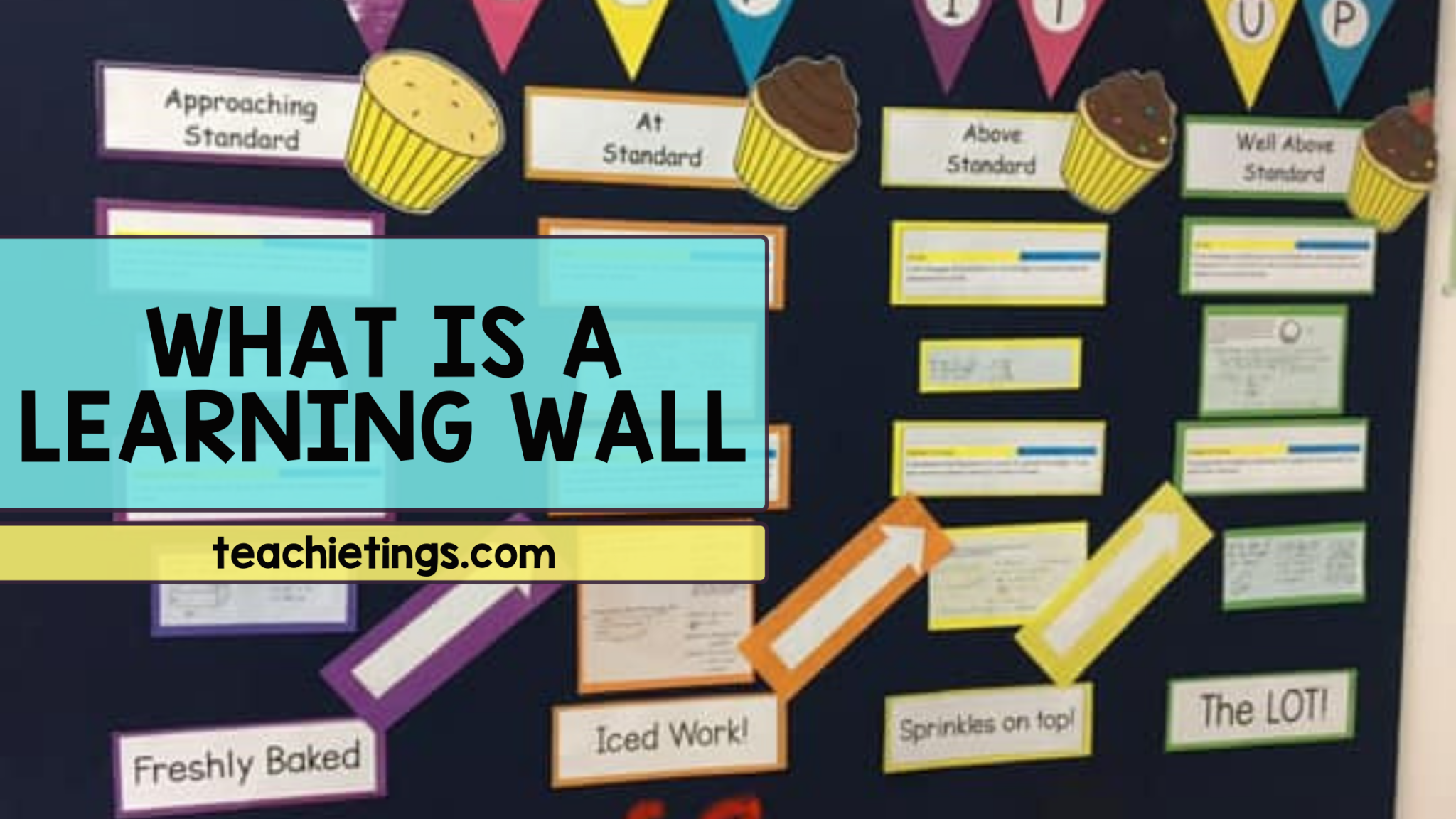
Imagine a space where learning isn't a chore, but an adventure. A vibrant hub in your home that sparks curiosity and fosters a love for knowledge. Creating a dedicated learning zone can transform your child's educational experience, making it more engaging and effective. But where do you even begin?
Many parents face challenges when trying to create an effective learning environment at home. Space constraints, budget limitations, and the overwhelming array of options can leave you feeling lost and unsure. You might worry about creating a space that's not only functional but also inspiring and conducive to focused learning. The goal is to create a happy place of learning, but getting started is often the hardest part.
This guide will walk you through the process of designing a home learning wall that's tailored to your child's needs and learning style. We'll cover everything from choosing the right location and organizing learning materials to incorporating interactive elements and creating a visually appealing space that fosters a love for learning. Let's turn that blank wall into a powerhouse of knowledge!
In this article, we discussed how to create a dedicated learning space, choose the perfect location, and organize materials to make learning engaging. We talked about incorporating interactive elements, using color effectively, and creating a visually appealing space. This will help you set up a home learning wall that inspires your child to learn every day.
Finding the Perfect Location
The first step in designing your home learning wall is selecting the right location. Think about where your child learns best. Is it a quiet corner away from distractions, or a more central location where they can feel connected to the family? For us, it was a bit of a journey. Initially, we tried setting up our learning wall in a spare bedroom, thinking the quiet would be ideal. However, our daughter felt isolated and preferred to be closer to us while she worked. We eventually moved it to a corner of the family room, and the change was remarkable. She was more engaged, asked more questions, and seemed to enjoy her learning time much more. The key is to observe your child and see where they naturally gravitate towards when they're focusing on tasks. Consider factors like natural light, noise levels, and proximity to other activities. Ideally, the space should be well-lit, quiet enough to focus, and free from major distractions. You want a space that's inviting and encourages your child to spend time learning, not one that feels like a punishment.
What to Include on Your Learning Wall
Now that you have a location, let's talk about the essential elements of a learning wall. At its core, a learning wall should be a visual and interactive resource that supports your child's learning goals. Think of it as an extension of their schoolwork, providing a space to reinforce concepts and explore new ideas. A well-designed learning wall incorporates a variety of elements to cater to different learning styles. For visual learners, consider including colorful posters, maps, and diagrams. Auditory learners might benefit from having a designated spot for headphones and audio resources. Kinesthetic learners need hands-on activities, such as building blocks, puzzles, or art supplies. A whiteboard or chalkboard is also a great addition, allowing your child to practice writing, drawing, and problem-solving. Personalization is key. Include your child's artwork, photos, and projects to make the space feel like their own. Rotate the materials regularly to keep things fresh and engaging.
The History and Evolution of Home Learning Spaces
The concept of a dedicated learning space in the home isn't entirely new. Before the advent of modern schooling, children were often educated at home, with families dedicating specific areas for learning and instruction. Think of the traditional schoolrooms depicted in historical novels, often set in libraries or studies. While the technology and resources have changed dramatically, the underlying principle remains the same: a focused environment can significantly enhance learning. Today, with the rise of homeschooling and remote learning, the home learning wall has evolved into a more versatile and dynamic tool. It's no longer just about textbooks and worksheets; it's about creating an interactive and engaging space that caters to individual learning styles. The "myth" that all learning needs to happen in a formal classroom is also being challenged. More and more parents are recognizing the benefits of supplementing their child's education with home-based learning activities, and a well-designed learning wall can be a powerful asset in that endeavor. Embracing technology, creativity, and personalization can transform a simple wall into a dynamic hub for learning and discovery.
Unlocking the Hidden Potential of a Learning Wall
The real secret to a successful home learning wall lies in its ability to foster independence and self-directed learning. It's not just about creating a visually appealing space; it's about empowering your child to take ownership of their education. One often overlooked aspect is the importance of involving your child in the design process. Ask them what they want to include, what colors they like, and how they prefer to learn. This not only makes the space more personalized but also encourages them to take responsibility for their learning. Another key is to make the learning wall interactive. Don't just fill it with static posters and charts. Include activities that require your child to engage with the materials, such as fill-in-the-blank worksheets, puzzles, or building challenges. By creating a space that's both visually stimulating and intellectually engaging, you can unlock your child's hidden potential and foster a lifelong love of learning. Think of it as an investment in their future, a space where they can explore, experiment, and grow.
Recommendations for Building a Thriving Learning Environment
When it comes to recommendations, start small and build gradually. Don't feel pressured to create the perfect learning wall overnight. Begin with a few essential elements and then add more as you go. Think about your child's current learning goals and focus on resources that support those goals. If they're learning about fractions, for example, include a fraction chart, some visual aids, and maybe even a hands-on activity like dividing up a pizza. Don't forget the power of routine. Establish a regular time each day or week when your child spends time at the learning wall. This will help them develop a habit of learning and make the space feel more like a dedicated learning zone. Be flexible and adaptable. As your child's needs and interests change, adjust the learning wall accordingly. Replace outdated materials with new ones, and incorporate activities that align with their current curriculum. The key is to create a space that's constantly evolving and adapting to your child's learning journey. Remember, the goal is to foster a love of learning, not to create a rigid and structured environment.
Choosing the Right Supplies and Materials
Selecting the right supplies for your learning wall is crucial for creating an engaging and effective learning environment. Think beyond basic pens and paper, and consider a variety of materials that cater to different learning styles and activities. For visual learners, invest in colorful markers, crayons, and art supplies. Poster board, construction paper, and paint are also great for creating visually appealing displays. Auditory learners might benefit from having access to headphones, audiobooks, and educational apps. Consider including a small speaker for playing music or podcasts during learning time. Kinesthetic learners need hands-on materials that allow them to explore and manipulate objects. Building blocks, puzzles, modeling clay, and sensory bins are all excellent choices. Don't forget the essentials, such as a whiteboard or chalkboard, erasers, and cleaning supplies. Storage is also key. Invest in containers, bins, and shelves to keep everything organized and easily accessible. The goal is to create a space that's both functional and inspiring, a place where your child can easily find the materials they need to learn and explore.
Tips for Maintaining an Engaging Learning Wall
Maintaining an engaging learning wall requires ongoing effort and attention. It's not enough to simply set it up and forget about it. To keep your child interested and motivated, it's important to regularly update the materials, incorporate new activities, and personalize the space to reflect their current interests. One effective tip is to involve your child in the maintenance process. Ask them to help you organize the materials, clean the whiteboard, and choose new items to display. This not only makes them feel more invested in the learning wall but also teaches them valuable organizational skills. Another tip is to rotate the materials frequently. Don't leave the same posters and charts up for months on end. Replace them with new ones that align with your child's current curriculum or interests. You can also incorporate seasonal themes and holiday-related activities to keep things fresh and exciting. Finally, don't be afraid to experiment. Try out different layouts, activities, and materials to see what works best for your child. The key is to create a space that's constantly evolving and adapting to their changing needs and interests.
Incorporating Technology Wisely
Technology can be a powerful tool for enhancing learning, but it's important to incorporate it wisely into your home learning wall. Too much screen time can be detrimental to your child's development, so it's crucial to strike a balance between digital and traditional learning methods. One way to incorporate technology is to use educational apps and websites that align with your child's curriculum. There are countless apps available that teach math, reading, science, and other subjects in a fun and engaging way. Just be sure to choose apps that are age-appropriate and aligned with your child's learning goals. Another option is to use technology to create interactive learning experiences. For example, you can use a digital whiteboard to create interactive lessons, or use online resources to conduct research and create presentations. Don't forget the importance of unplugged activities. Encourage your child to take breaks from technology and engage in hands-on activities, such as reading books, playing board games, or creating art projects. The key is to use technology as a tool to enhance learning, not to replace traditional learning methods.
Fun Facts About Learning and the Brain
Did you know that learning new things can actually change the structure of your brain? It's true! When you learn something new, your brain forms new connections between neurons, creating new pathways for information to flow. This process is called neuroplasticity, and it's what allows us to adapt and learn throughout our lives. Another fun fact is that learning is most effective when it's active and engaging. Passive learning, such as simply reading a textbook, is less likely to result in long-term retention. Active learning, such as discussing concepts, solving problems, or creating projects, is much more effective. This is why it's so important to incorporate interactive elements into your home learning wall. Fun fact number three: The human brain is wired for learning. From the moment we're born, we're constantly absorbing information and making connections. The key is to create an environment that's conducive to learning, a place where children feel safe, supported, and encouraged to explore. A well-designed home learning wall can be a powerful tool for fostering a love of learning and unlocking your child's full potential.
How to Get Your Child Excited About Learning
One of the biggest challenges for parents is getting their child excited about learning. It's not always easy to compete with the allure of video games, social media, and other distractions. However, there are several strategies you can use to make learning more engaging and enjoyable. First, focus on your child's interests. What are they passionate about? What topics do they naturally gravitate towards? Use these interests as a springboard for learning. If your child loves dinosaurs, for example, you can incorporate dinosaur-themed books, activities, and projects into their learning wall. Second, make learning fun. Incorporate games, puzzles, and other interactive elements into your learning activities. Turn learning into a game, and your child will be much more likely to engage. Third, celebrate their successes. When your child accomplishes a goal or masters a new skill, be sure to acknowledge their hard work and celebrate their achievement. Positive reinforcement can go a long way in motivating children to learn. Finally, lead by example. Show your child that you value learning and are constantly seeking new knowledge. Read books, take classes, and engage in activities that stimulate your mind. When your child sees you learning, they'll be more likely to embrace learning themselves.
What If Your Child Resists Using the Learning Wall?
It's not uncommon for children to resist using the learning wall at first, especially if they're used to a more traditional learning environment. If your child is reluctant to engage with the learning wall, don't get discouraged. Try to understand their resistance and address their concerns. Are they feeling overwhelmed by the amount of materials? Are they bored with the activities? Are they simply preferring other forms of entertainment? One strategy is to start small. Don't try to force them to spend hours at the learning wall. Begin with short, focused activities that align with their interests. Gradually increase the amount of time they spend at the learning wall as they become more comfortable. Another strategy is to make the learning wall more appealing. Add new materials, incorporate interactive elements, and personalize the space to reflect their interests. You can also try learning alongside your child. Sit down with them and engage in the activities together. This can make the learning process more enjoyable and less intimidating. Finally, be patient and persistent. It may take time for your child to warm up to the learning wall, but with consistent encouragement and support, they'll eventually come to appreciate its value.
Top 5 Must-Have Items for Your Home Learning Wall
Here is a listicle of items you need: 1. A Whiteboard or Chalkboard: This is essential for practicing writing, drawing, and problem-solving. Look for one that's large enough for your child to work comfortably, but not so large that it dominates the space.
2. Colorful Markers and Crayons: These are essential for creating visually appealing displays and engaging in art projects. Choose a variety of colors and types of markers to cater to different learning styles.
3. Educational Posters and Charts: These provide visual reminders of key concepts and information. Choose posters that align with your child's curriculum or interests.
4. Storage Containers: Keep everything organized and easily accessible with a variety of storage containers, bins, and shelves. Choose containers that are clear so your child can easily see what's inside.
5. Interactive Activities: Incorporate games, puzzles, building blocks, and other interactive activities to make learning more engaging and enjoyable. The goal is to create a space that's both visually stimulating and intellectually challenging.
Question and Answer
Q: My child is very easily distracted. How can I minimize distractions around the learning wall?
A: Choose a location that's away from high-traffic areas and potential distractions like the TV or video games. Consider using noise-canceling headphones to help your child focus, and make sure the space is well-organized and free from clutter.
Q: I'm on a tight budget. How can I create a learning wall without spending a lot of money?
A: Get creative! Use recycled materials to create art projects, repurpose old furniture for storage, and look for free educational resources online. You can also check out thrift stores and garage sales for affordable learning materials.
Q: My child has multiple learning styles. How can I cater to all of them?
A: Incorporate a variety of elements that appeal to different learning styles. Include visual aids like posters and charts, auditory resources like audiobooks, and kinesthetic activities like building blocks and puzzles. This will help your child learn in a way that's most effective for them.
Q: How often should I update the materials on the learning wall?
A: It's a good idea to update the materials regularly, at least once a month, to keep things fresh and engaging. You can also incorporate seasonal themes and holiday-related activities to add variety.
Conclusion of How to Design a Home Learning Wall
Designing a home learning wall is an investment in your child's future. By creating a dedicated learning space that's tailored to their individual needs and interests, you can foster a love of learning and unlock their full potential. Remember to choose the right location, incorporate interactive elements, and personalize the space to make it their own. With a little creativity and effort, you can transform a blank wall into a powerhouse of knowledge and inspiration. Start small, be flexible, and most importantly, have fun! The journey of learning should be an exciting adventure for both you and your child.