
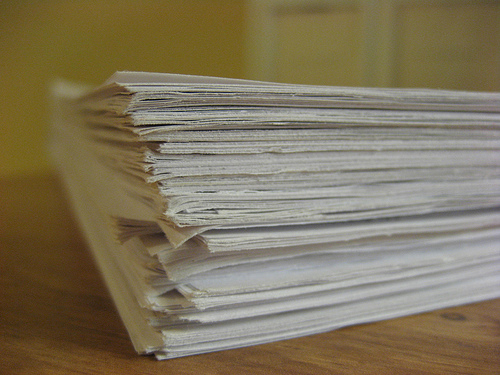
Is your kitchen table disappearing under a mountain of worksheets, permission slips, and art projects? Does the thought of tackling that Everest of paper fill you with dread? You're definitely not alone! Many parents struggle with the influx of school papers that seem to multiply overnight.
The never-ending stream of assignments, artwork, and announcements can quickly overwhelm any household. It's tough to know what's important, what needs action, and what can be safely discarded. The sheer volume can lead to missed deadlines, lost memories, and a general feeling of being disorganized and stressed. The task of simply dealing with it all often feels bigger than the time available.
The key to conquering the paper pile-up is to establish a system and stick to it. This involves creating designated spots for incoming and outgoing papers, setting aside regular time for sorting, and making quick decisions about what to keep, what to act on, and what to toss. By implementing a few simple strategies, you can regain control and create a more organized and peaceful home environment.
In essence, managing school papers boils down to these key steps: establishing a paper management system, decluttering regularly, digitizing important documents, and involving your child in the process. By doing so, you can prevent paper overload, stay organized, and cherish your child's precious memories without being buried alive in paper. We'll explore practical strategies for tackling the paper clutter, including actionable tips for setting up a system, making quick decisions, and involving your kids in the process. We'll also discuss the benefits of digitizing important documents and ideas for creatively preserving your child's artwork.
Creating a Centralized Paper Station
The goal here is to have one designated area where all school-related papers land. It could be a basket, a shelf, or even a corner of your desk. The important thing is that everyone in the family knows that this is the "paper zone."
I remember when my son started kindergarten, I thought I could just handle the incoming paper flow as it came. Big mistake! Within a week, the kitchen counter was completely covered. I learned quickly that I needed a better system. So, I invested in a simple three-tiered tray. The top tray was for "to do" items like permission slips or forms to sign. The middle tray was for "to file" items like graded assignments I wanted to keep. And the bottom tray was for "to recycle." This simple system made a world of difference. It contained the chaos and made it easier to sort through the papers when I had a few spare minutes.
Think about a location that works well for your family's habits. Is the kitchen counter the natural drop-off point? Okay, designate a basket there. Do you prefer handling paperwork at your desk? Then make sure your paper station is located there. The key is convenience. If it's easy to use, you're more likely to stick with it. Also, involve your kids in the process! Teach them to place their papers in the designated spot as soon as they get home from school.
Implementing the "Action, File, Toss" Rule
This is the core of any successful paper management system. As you sort through the papers in your centralized station, ask yourself these three questions about each item: Does it require action? Is it something I need to file and keep? Can I toss it (or recycle it)?
The "Action" pile should include things like permission slips to sign, field trip information to review, or assignments that need your attention. Deal with these items as quickly as possible to avoid them getting lost in the shuffle. Write it on your calendar, reply to the email, etc. Once you've taken action, move the paper to the "File" or "Toss" pile.
The "File" pile should contain items you want to keep for reference or sentimental reasons. This might include important report cards, special artwork, or memorable assignments. Be selective about what you keep! Don't feel like you need to hold on to every single worksheet. Choose a filing system that works for you – a physical filing cabinet, a digital folder on your computer, or a combination of both.
The History and Myth of Paper Clutter
Throughout history, paper has represented knowledge, authority, and record-keeping. Think about ancient scrolls, medieval manuscripts, and official documents. But the abundance of paper in modern society is relatively new, and so is the problem of paper clutter.
One myth is that you need to keep everything "just in case." This fear of needing something later often leads to hoarding. Another myth is that you have plenty of time to deal with the paper later. Procrastination only makes the problem worse. And then there's the myth that a perfectly organized system will magically solve all your problems. While a good system is essential, it requires consistent effort and maintenance.
The truth is, managing paper clutter is an ongoing process, not a one-time fix. It requires a shift in mindset from "keeping everything" to "keeping only what's truly valuable." It's about creating a system that works for you and making it a habit to sort and declutter regularly. By dispelling these myths, you can approach the task with a more realistic and effective strategy.
The Hidden Secret: Digital Transformation
One powerful way to conquer paper clutter is to embrace digital solutions. Scanning important documents and storing them electronically can drastically reduce the amount of physical paper you need to manage. The "hidden secret" here isn't just about saving space; it's about accessibility, searchability, and preservation.
Think about it: instead of rummaging through piles of paper to find your child's immunization record, you can simply type "immunization record" into your computer search bar and find it instantly. Digital documents can also be easily backed up, ensuring that you don't lose important information due to fire, flood, or other disasters. Apps like Evernote, Google Drive, and Dropbox can be lifesavers.
However, digital transformation is not just about scanning and saving. It's also about rethinking how you receive information. Opt for electronic newsletters and statements whenever possible. Unsubscribe from unnecessary mailing lists. And encourage your child's school to communicate digitally whenever possible. By reducing the influx of paper at its source, you'll have less to manage in the first place.
Recommendations for Handling Kids' Artwork
Kids' artwork is a particularly challenging area. On the one hand, you want to encourage their creativity and celebrate their accomplishments. On the other hand, you can't possibly keep every single drawing and painting they create. So what's the solution?
One recommendation is to create a "display zone" for current artwork. This could be a bulletin board, a picture frame, or even a designated area on the refrigerator. Rotate the artwork regularly to keep things fresh and avoid cluttering the space. As for the rest of the artwork, consider taking photos of it and creating a digital scrapbook or photo album. This allows you to preserve the memories without storing piles of physical artwork.
Creative Preservation of Memories
Another recommendation is to turn your child's artwork into something useful or decorative. For example, you could create a personalized calendar using their drawings, or have their artwork printed on mugs, tote bags, or other items. This is a fun way to celebrate their creativity and create unique keepsakes. You can also create a keepsake box to store a curated selection of their most special artwork. But again, be selective! Choose the pieces that truly represent their artistic development or hold special memories.
Tips for Making Quick Decisions
One of the biggest reasons why paper piles up is because people procrastinate on making decisions about what to do with it. To overcome this, practice making quick decisions. Don't overthink it! If a paper requires action, take action immediately. If it's something you want to keep, file it promptly. If it's no longer needed, toss it without hesitation.
Set a timer for 15 minutes and see how much paper you can sort through. The pressure of the timer can help you focus and make quicker decisions. You can also ask yourself these questions to guide your decisions: Will I need this information in the future? Does it have sentimental value? Can I easily find this information online? If the answer to all of these questions is "no," then it's probably safe to toss the paper.
The Power of "One-Touch" Handling
Try to handle each piece of paper only once. When you pick up a paper, make a decision about what to do with it immediately. Don't put it back down to deal with later. This "one-touch" handling technique can dramatically reduce the amount of time you spend managing paper clutter.
Fun Facts About Paper
Did you know that paper was invented in China around 105 AD? Or that the word "paper" comes from the word "papyrus," which was used by the ancient Egyptians? Paper has played a crucial role in human history, enabling the spread of knowledge, the recording of history, and the expression of creativity.
In today's digital age, some people predict the "paperless office" will eventually become a reality. But despite the rise of digital technology, paper is still widely used. In fact, the average office worker still uses around 10,000 sheets of paper per year. While digital communication is convenient, many people still prefer the tactile experience of reading and writing on paper.
How to Involve Your Kids in the Process
Instead of tackling the paper mountain alone, involve your kids in the process. Teach them to sort their own papers and make decisions about what to keep, what to file, and what to toss. This not only helps you manage the clutter but also teaches them valuable organizational skills. Make it a fun activity by turning it into a game or offering rewards for participation. Start with a small amount of paper and gradually increase the amount as they become more comfortable with the process.
What if You Fall Behind?
It's inevitable that you'll occasionally fall behind on your paper management routine. Don't beat yourself up about it! The important thing is to get back on track as soon as possible. Schedule a "paper catch-up" session and dedicate some time to sorting through the backlog. Consider breaking the task into smaller, more manageable chunks. Instead of trying to tackle everything at once, focus on one category of paper at a time, such as schoolwork, bills, or correspondence.
Listicle of Actionable Tips
Here's a quick list of actionable tips to help you keep school papers from piling up:
- Create a centralized paper station.
- Implement the "Action, File, Toss" rule.
- Embrace digital solutions like scanning and online document storage.
- Set a timer and make quick decisions.
- Involve your kids in the sorting process.
- Create a "display zone" for artwork.
- Turn artwork into personalized gifts or keepsakes.
- Schedule regular paper decluttering sessions.
- Opt for electronic communication whenever possible.
- Don't be afraid to toss or recycle unwanted papers.
Question and Answer
Q: How often should I sort through school papers?
A: Ideally, you should sort through school papers at least once a week. This prevents the pile from becoming overwhelming.
Q: What should I do with papers that have sentimental value?
A: Create a memory box or scrapbook to store special items. You can also take photos of sentimental items and create a digital album.
Q: How can I encourage my child to be more organized?
A: Start by setting a good example. Involve them in the sorting process and teach them simple organizational skills. Make it fun by turning it into a game or offering rewards.
Q: What if I don't have time to scan all the important documents?
A: Prioritize the most important documents first, such as medical records, financial statements, and legal documents. You can also outsource the scanning process to a professional service.
Conclusion of How to Keep School Papers from Piling Up
By implementing these strategies and tips, you can conquer the paper pile-up and create a more organized and stress-free home environment. Remember, the key is to establish a system, stick to it, and involve your kids in the process. You got this!