
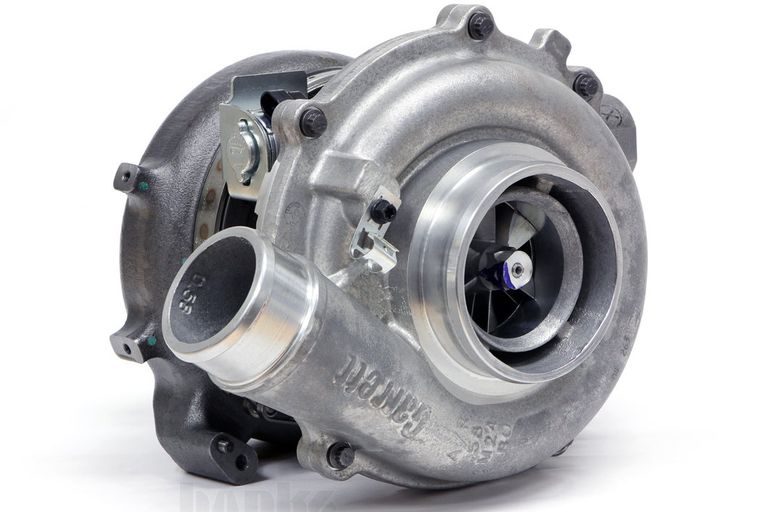
That surge of power when your turbo kicks in – it’s a feeling any car enthusiast loves. But what happens when that feeling fades? What if your car just doesn't have the same oomph it used to? It could be more than just your imagination; it might be a sign that your turbocharger is on its way out.
A failing turbo can throw a wrench in your driving experience. Suddenly, your car feels sluggish, your fuel economy dips, and strange noises start emanating from under the hood. Ignoring these signals can lead to bigger, more expensive problems down the road. Knowing what to look for can save you time, money, and a whole lot of frustration.
This post will guide you through seven key symptoms that indicate your turbocharger might be failing. We’ll cover everything from performance issues to unusual noises and visible signs of trouble, giving you the knowledge you need to diagnose potential problems early on.
From diminished power and odd sounds like whining or screeching, to black smoke and increased oil consumption, recognizing these red flags is crucial. We’ll also explore potential causes and what steps you can take to address these issues before they escalate. Armed with this information, you can keep your turbocharger – and your engine – running smoothly. Keep an eye out for keywords like turbocharger failure, turbo problems, decreased engine power, black exhaust smoke, turbo noise, oil leaks, and poor fuel economy.
Loss of Power: The Most Obvious Sign
The most immediate and noticeable symptom of a failing turbocharger is a significant decrease in engine power. I remember once, driving up a familiar hill that my car usually conquered with ease, I suddenly felt like I was driving a much weaker engine. The car struggled, and I had to downshift to maintain speed. This was a huge red flag for me and was the first sign that my turbo was having issues. This happens because the turbocharger's primary function is to force more air into the engine, allowing it to burn more fuel and produce more power. When the turbo starts to fail, it can no longer deliver the necessary boost pressure, resulting in a noticeable drop in acceleration and overall performance. This is especially noticeable when accelerating or climbing hills. You might find yourself pressing the accelerator harder than usual just to maintain your speed.
Think of it like this: your turbocharger is the engine's "boost" button. When it's working correctly, it gives you that extra surge of power when you need it. But when it's failing, that boost disappears, leaving you with a sluggish and unresponsive engine. This loss of power can be gradual, making it easy to dismiss as just a "bad day" for your car. However, if you consistently notice a lack of power, especially in situations where your car used to perform well, it's time to suspect a turbocharger problem. It’s often accompanied by other symptoms, such as unusual noises or smoke, which can help confirm your suspicions.
Whining or Screeching Noises
A healthy turbocharger operates with a smooth, almost silent whir. However, when it starts to fail, it can produce a range of unusual noises, including whining, screeching, or even grinding sounds. These noises are often caused by damaged or worn-out bearings within the turbocharger. These bearings are critical for allowing the turbo's impeller to spin freely at extremely high speeds. When they start to wear out, they can create friction and vibration, leading to the characteristic whining or screeching noises.
Think of it like a washing machine with a bad bearing. When the drum spins, you'll hear a loud, unsettling whine. The same principle applies to a failing turbocharger. The noises are typically most noticeable during acceleration, as the turbocharger spins up to higher speeds. As the damage progresses, the noises may become more consistent and even audible at idle. Don't ignore these sounds! They are a clear indication that something is wrong, and ignoring them can lead to catastrophic turbocharger failure. Catching the problem early can often save you from more extensive and costly repairs.
Excessive Blue or Black Smoke
The color of your exhaust smoke can tell you a lot about your engine's health, and a failing turbocharger can often lead to changes in exhaust color. Blue smoke typically indicates that oil is burning in the engine, while black smoke suggests that the engine is running too rich, meaning it's getting too much fuel and not enough air. In the context of a failing turbocharger, blue smoke is often a sign that oil is leaking past the turbocharger's seals and into the exhaust system. The extreme heat of the exhaust then burns the oil, producing the telltale blue smoke. This can happen due to worn or damaged seals within the turbocharger itself.
Black smoke, on the other hand, can occur when the turbocharger is not delivering enough air to the engine. This can cause the engine to run rich, resulting in incomplete combustion and the production of black smoke. It's important to distinguish between these two types of smoke, as they can indicate different problems. Blue smoke is almost always associated with oil burning, while black smoke can be caused by a variety of issues, including a failing turbocharger, a clogged air filter, or faulty fuel injectors. If you notice either blue or black smoke coming from your exhaust, it's crucial to have your car inspected by a qualified mechanic as soon as possible.
Increased Oil Consumption
A healthy engine consumes a minimal amount of oil, but a failing turbocharger can significantly increase oil consumption. This is often due to the aforementioned oil leaks within the turbocharger. As the seals wear out or become damaged, oil can leak past them and into the intake or exhaust systems. This oil is then burned by the engine, leading to a noticeable drop in oil level.
If you find yourself needing to add oil more frequently than usual, it's a good idea to inspect your turbocharger for signs of leaks. Look for oil around the turbocharger housing, as well as in the intake and exhaust pipes. You might also notice a burning oil smell coming from the engine compartment. Keep in mind that increased oil consumption can also be caused by other issues, such as worn piston rings or valve seals. However, if you suspect a turbocharger problem, it's important to rule it out as a potential cause. Regularly checking your oil level and monitoring for any unusual drops can help you catch this symptom early on.
Check Engine Light
The "Check Engine" light: Not Always Obvious
The dreaded "Check Engine" light can illuminate for a multitude of reasons, and a failing turbocharger is certainly one of them. When the turbocharger isn't functioning correctly, it can trigger various diagnostic codes that activate the light. These codes might relate to issues such as low boost pressure, turbocharger speed sensor malfunctions, or problems with the wastegate or bypass valve. However, it's important to remember that the "Check Engine" light is not always a definitive indicator of a turbocharger problem. It could also be triggered by issues with the engine's ignition system, fuel system, or emissions control system. Therefore, it's crucial to have the diagnostic codes read by a qualified mechanic to pinpoint the exact cause. Don't simply assume that the "Check Engine" light means your turbocharger is failing. Instead, use it as a signal to investigate further and determine the root cause of the problem. This will help you avoid unnecessary repairs and ensure that you address the underlying issue correctly.
Lagging Acceleration
Turbo lag is the delay between pressing the accelerator and feeling the turbocharger kick in. While some lag is normal in turbocharged engines, a failing turbocharger can significantly increase this lag, making acceleration feel sluggish and unresponsive. This happens because the turbocharger takes longer to spool up and deliver the necessary boost pressure. Several factors can contribute to increased turbo lag, including worn bearings, damaged impeller blades, or problems with the wastegate or bypass valve. These issues can impede the turbocharger's ability to quickly reach its operating speed, resulting in a noticeable delay in acceleration. If you notice that your car is taking longer than usual to respond when you press the accelerator, it's time to suspect a turbocharger problem. Pay attention to how your car feels during acceleration, especially when merging onto highways or passing other vehicles. A sudden increase in turbo lag can be a clear sign that something is amiss.
Visible Damage to the Turbocharger
Sometimes, the signs of a failing turbocharger are visible with a simple visual inspection. Check the turbocharger housing for any cracks, dents, or other damage. Also, inspect the hoses and connections for leaks or loose fittings. Any visible damage can compromise the turbocharger's performance and lead to failure. Cracks in the housing can cause air leaks, reducing boost pressure and leading to a loss of power. Damaged hoses and connections can also leak air or oil, further impacting performance. To perform a visual inspection, you'll need to locate the turbocharger in your engine compartment. It's typically located near the exhaust manifold. Once you've found it, carefully examine it for any signs of damage. If you're not comfortable performing this inspection yourself, it's best to have a qualified mechanic do it for you. They can identify any potential problems and recommend the appropriate course of action.
Tips for Maintaining Your Turbocharger
Regular Oil Changes and High-Quality Oil
Regular oil changes are crucial for maintaining the health of your turbocharger. Turbochargers operate at extremely high speeds and temperatures, and they rely on clean, high-quality oil for lubrication and cooling. Over time, oil can become contaminated with dirt, debris, and sludge, which can damage the turbocharger's bearings and other components. Following your car's recommended oil change schedule and using a high-quality synthetic oil can help prevent these problems. Synthetic oils are more resistant to breakdown at high temperatures and provide better lubrication than conventional oils. This is especially important for turbocharged engines, which generate a lot of heat. In addition to regular oil changes, it's also a good idea to check your oil level regularly and top it off as needed. Low oil levels can lead to increased wear and tear on the turbocharger. By taking these simple steps, you can significantly extend the life of your turbocharger.
Fun Facts About Turbochargers
Did you know that turbochargers were initially developed for use in aircraft engines? They were used to help maintain engine power at high altitudes, where the air is thinner. The first production car to feature a turbocharger was the Oldsmobile Jetfire in 1962. However, turbocharger technology didn't really take off until the 1980s, when manufacturers started using them to improve fuel economy and performance in a wider range of vehicles. Today, turbochargers are common in both gasoline and diesel engines, and they play a crucial role in improving engine efficiency and reducing emissions. They also add a fun driving experience to many cars today! Another fun fact is that turbochargers can spin at speeds of up to 300,000 RPM, which is much faster than the engine's crankshaft. This high speed requires extremely precise engineering and high-quality materials to ensure that the turbocharger can withstand the extreme forces and temperatures involved.
How to Prolong the Life of Your Turbocharger
Beyond regular oil changes, there are several other things you can do to prolong the life of your turbocharger. One important tip is to let your engine idle for a few minutes after a hard drive. This allows the turbocharger to cool down and prevents oil from coking, which can damage the bearings. You should also avoid revving the engine excessively when it's cold, as this can put unnecessary stress on the turbocharger. Another important consideration is the quality of your fuel. Using high-quality fuel can help prevent deposits from forming in the engine and turbocharger, which can impair performance. It's also a good idea to have your turbocharger inspected periodically by a qualified mechanic. They can identify any potential problems and recommend the appropriate repairs before they escalate. By following these simple tips, you can help keep your turbocharger running smoothly for years to come.
What Happens If You Ignore a Failing Turbocharger?
Ignoring the symptoms of a failing turbocharger can lead to serious engine damage and costly repairs. If the turbocharger fails completely, it can send debris into the engine, causing significant damage to the pistons, valves, and cylinder walls. This can result in a complete engine rebuild or replacement, which can be a very expensive undertaking. In addition to engine damage, a failing turbocharger can also cause a loss of power, poor fuel economy, and increased emissions. These issues can make your car less enjoyable to drive and more expensive to operate. Therefore, it's crucial to address any turbocharger problems as soon as they arise. Catching the problem early can often save you from more extensive and costly repairs down the road. Don't ignore the warning signs! Take your car to a qualified mechanic for inspection and repair as soon as possible.
7 Symptoms of a Failing Turbocharger (Listicle Style)
Here's a quick recap of the seven symptoms we've discussed:
1.Loss of Power: Noticeable decrease in acceleration and overall performance.
2.Whining or Screeching Noises: Unusual sounds coming from the turbocharger.
3.Excessive Blue or Black Smoke: Smoke coming from the exhaust pipe.
4.Increased Oil Consumption: Needing to add oil more frequently.
5.Check Engine Light: The "Check Engine" light illuminating on your dashboard.
6.Lagging Acceleration: Increased delay between pressing the accelerator and feeling the turbocharger kick in.
7.Visible Damage to the Turbocharger: Cracks, dents, or leaks on the turbocharger housing.
Recognizing these symptoms can help you identify a potential turbocharger problem early on and prevent more serious damage. Remember, addressing these issues promptly can save you time, money, and a whole lot of frustration.
Questions and Answers About Failing Turbochargers
Q: How much does it cost to replace a turbocharger?
A: The cost of replacing a turbocharger can vary depending on the make and model of your car, as well as the cost of labor. Generally, you can expect to pay anywhere from $500 to $2000 for a turbocharger replacement.
Q: Can I drive my car with a failing turbocharger?
A: While it's technically possible to drive your car with a failing turbocharger, it's not recommended. A failing turbocharger can cause engine damage and lead to a loss of power. It's best to have the problem addressed as soon as possible.
Q: How long do turbochargers typically last?
A: The lifespan of a turbocharger can vary depending on several factors, including driving habits, maintenance, and the quality of the turbocharger itself. However, a well-maintained turbocharger can typically last for 100,000 to 150,000 miles.
Q: What are some common causes of turbocharger failure?
A: Common causes of turbocharger failure include oil starvation, overheating, foreign object damage, and worn bearings.
Conclusion of 7 Symptoms of a Failing Turbocharger
Recognizing the symptoms of a failing turbocharger is essential for maintaining the health and performance of your turbocharged engine. By being aware of these warning signs and taking prompt action, you can prevent more serious damage and costly repairs. Remember to pay attention to any loss of power, unusual noises, smoke, increased oil consumption, and other indicators that we've discussed. Regular maintenance, including oil changes and inspections, can also help prolong the life of your turbocharger. When in doubt, consult with a qualified mechanic to diagnose and repair any turbocharger problems. By taking these steps, you can keep your turbocharger running smoothly and enjoy the performance and efficiency that it provides.